


Ensuring Supply Chain Continuity with a Certified OEM Plastic Parts Supplier
Short answer: A certified OEM plastic parts supplier supports supply chain continuity only when its quality system is connected to part-specific controls: protected tooling, approved materials, stable capacity, traceable records, controlled changes, tested recovery procedures, and clear customer communication. A certificate is useful evidence, but it is not a substitute for verifying how the supplier would keep your exact parts flowing during a resin shortage, tool failure, utility outage, transport delay, cyber incident, or sudden demand increase.
For OEM buyers, the practical goal is not to eliminate every disruption. The goal is to reduce the probability of failure, detect warning signals early, contain the effect of an incident, and restore conforming supply within an agreed time. This guide explains how procurement, engineering, quality, and operations teams can build that capability with a plastic parts supplier without paying for controls that do not match the program’s real risk.
What does supply chain continuity mean for OEM plastic parts?
Supply chain continuity means that an OEM can continue receiving usable, approved plastic parts at the required rate despite foreseeable disruption. The definition must include quality as well as quantity. Shipping unapproved resin, parts from an uncontrolled process, or components without traceability may keep a production line moving briefly, but it transfers risk into assembly, warranty, regulatory compliance, and field performance.
A continuity requirement should therefore identify five measurable conditions: the critical part numbers, the maximum acceptable interruption, the minimum acceptable delivery rate during recovery, the quality evidence required before restarted production is released, and the customer approvals required for any temporary change. These conditions convert a broad promise such as 鈥渨e have a backup plan鈥?into an operating requirement that can be quoted, audited, tested, and governed.
| Continuity question | Weak answer | Evidence-based answer |
|---|---|---|
| How quickly can supply recover? | 鈥淎s soon as possible.鈥?/td> | A part-specific recovery time objective with assumptions, owners, and approval gates. |
| Can another press run the mold? | 鈥淲e have many machines.鈥?/td> | A compatible press range, auxiliary-equipment list, process-transfer plan, and available capacity. |
| Can material be substituted? | 鈥淓quivalent resin is available.鈥?/td> | A preapproved grade or a written deviation and validation route controlled by the OEM. |
| Will restarted parts remain conforming? | 鈥淨uality will inspect them.鈥?/td> | Defined first-off, dimensional, functional, appearance, traceability, and release requirements. |
| Who informs the customer? | 鈥淭he sales team will call.鈥?/td> | Named primary and backup contacts, notification triggers, timing, and update frequency. |
Why does 鈥渃ertified supplier鈥?require careful verification?
A management-system certificate can indicate that an independent certification body audited the supplier against a defined standard. However, certification applies to a stated organization, site, and scope; it does not automatically certify every product, mold, process, subcontractor, or production location. The International Organization for Standardization also clarifies that ISO develops standards but does not itself certify companies.
Buyers should verify the certificate number, issuing body, validity dates, manufacturing address, standard, and scope of activities. The scope should cover the work being purchased, such as mold design, toolmaking, injection molding, assembly, or other relevant operations. If production will occur at a different site from the certified address, ask which controls apply there and how that site is included in the supplier’s quality system.
Certification should be treated as the beginning of due diligence rather than its conclusion. ISO 9001 establishes a quality-management framework, while sector-specific requirements may apply to automotive, medical, aerospace, electronics, or other controlled applications. ISO 22301 provides a business-continuity management framework, but many capable molding suppliers will not be certified to that standard. In either case, the buyer still needs evidence that the management system works for the proposed part, resin, tool, volume, and delivery route.
Which risks should be mapped before a plastic parts program is awarded?
A useful risk map follows the physical and information flow from resin order through customer receipt. It should include the resin manufacturer and distributor, colorant or additive, inserts, mold, press range, dryer and temperature-control equipment, robot or automation, secondary operations, inspection equipment, packaging, warehouse, carrier, customs route, and the digital records needed to release production. A dependency becomes critical when its failure stops shipment and no qualified alternative can be activated within the allowed interruption.
Risk should be scored by impact, likelihood, detectability, and recovery time. A low-cost insert with a twenty-week replacement lead time may deserve more attention than an expensive but readily available machine. A single-cavity mold serving a shutdown-sensitive assembly may justify duplicate tooling, while a noncritical cosmetic cover may be protected adequately by safety stock and repair spares. The correct mitigation depends on the consequence of shortage, not only the price of the molded component.
For a broader make-or-buy and supplier-governance view, see the B2B contract plastic manufacturing outsourcing guide. This continuity guide goes deeper into what happens after the sourcing decision, when the buyer must preserve supply through operational disruption.
How should the buyer classify critical molded parts?
Not every plastic part needs the same continuity investment. Classify parts using production-stop exposure, safety or regulatory significance, annual demand, replacement lead time, tooling uniqueness, resin constraints, qualification difficulty, and revenue impact. A practical three-tier model is easier to operate than a long theoretical scale.
- Tier A: line-stopping or high-consequence parts. These parts need defined recovery objectives, frequent capacity review, protected data, robust tooling contingency, material planning, and a tested escalation route.
- Tier B: important but recoverable parts. These parts may be protected by calculated stock, preventive tool maintenance, approved logistics alternatives, and documented transfer readiness.
- Tier C: low-consequence parts. Standard supplier controls and ordinary reorder planning may be sufficient, provided changes remain controlled.
The classification should be reviewed after a design change, volume increase, facility move, resin change, supplier performance deterioration, or change in customer demand. A part that was low risk during product launch may become critical when sales grow or when service-part obligations extend beyond the planned production life.
How does tooling strategy protect continuity?
The production mold is often the most concentrated source of risk in an injection molding supply chain. The buyer should document mold ownership, physical location, asset identification, drawing revision, cavity condition, expected tool life, maintenance responsibility, movement authority, and access to tool drawings. Ownership without practical access is weak protection; a buyer-owned mold may still be difficult to transfer if drawings, hot-runner details, spare components, process records, or release conditions are unclear.
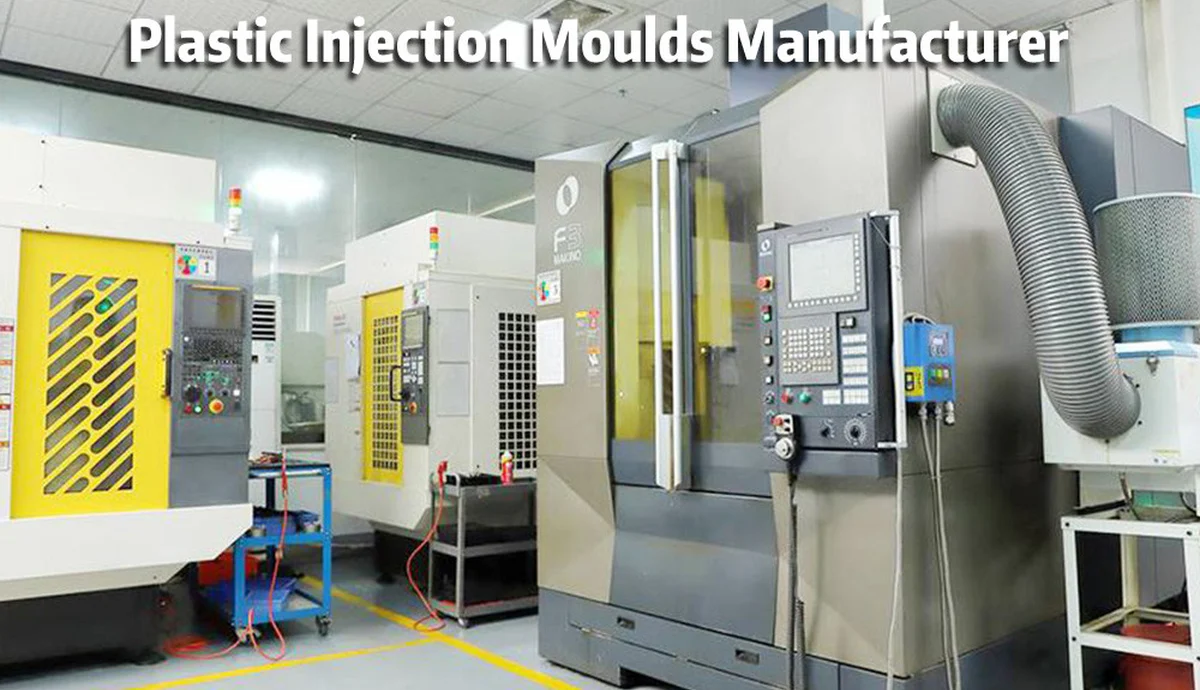
Continuity controls should match the mold’s failure modes. Preventive maintenance protects normal uptime, but it does not replace an emergency repair plan. Critical programs may require spare ejector pins, springs, heaters, thermocouples, seals, nozzles, sensors, or hot-runner components. The supplier should preserve a maintenance history and defined condition checks so that wear is detected before the mold produces defects or fails unexpectedly.
A duplicate mold is not always the best solution. It adds capital cost, maintenance, validation, and the possibility of cavity-to-cavity variation. Other options include replaceable inserts, a bridge tool, reserved toolmaking capacity, transfer-ready documentation, or a prequalified alternate molder. The decision should compare the cost of each option with the financial and customer impact of the predicted interruption.
What process data must be protected for a controlled restart?
A mold alone cannot reproduce an approved part. The recovery package should include the current 3D model and 2D drawing, resin and color specification, approved sample reference, mold drawings, maintenance history, process window, machine and auxiliary requirements, inspection plan, measurement programs, control plan, packaging instructions, labeling requirements, and applicable change records. Each document needs revision control and an accountable owner.
Backups should be separated from the system they protect. If every process record is stored on one local server, a cyber incident or facility loss may make the physical mold usable but the approved process unavailable. Buyers do not need unrestricted access to proprietary supplier data; they do need assurance that current records can be recovered, that customer-owned information is protected, and that restart decisions will use the approved revision.
How should resin and component continuity be designed?
Resin continuity begins with an exact material definition. 鈥淎BS鈥?or 鈥減olycarbonate鈥?is not a purchasing specification. The approved manufacturer, grade, color, additive package, recycled-content rule, compliance evidence, drying requirements, and lot-traceability expectations should be defined. If a particular grade has a long lead time or a single production region, the supplier and buyer should agree on forecast visibility, order coverage, inventory ownership, and escalation thresholds.
Alternate materials should be evaluated before a shortage. Similar technical data sheets do not prove functional equivalence because flow behavior, shrinkage, impact strength, UV stability, flame performance, color, surface appearance, and regulatory declarations can differ. A proposed alternate should follow a documented engineering-change path with appropriate molding trials, dimensional checks, functional tests, appearance approval, and customer authorization. Emergency substitution without this control may solve a delivery problem by creating a product problem.
Metal inserts, fasteners, labels, coatings, packaging, and outsourced secondary operations also deserve attention. A molded housing cannot ship if its insert supplier is unavailable or if a required decoration process has no capacity. The OEM supplier should identify critical sub-tier sources, apply incoming controls based on risk, monitor delivery and quality, and notify the buyer before changing an approved source where the agreement requires approval.
How can capacity be proven instead of assumed?
Installed press tonnage is not the same as available capacity. Capacity evidence should connect the validated cycle time, cavity count, yield, planned uptime, shifts, maintenance, changeovers, inspection rate, labor, automation, and competing demand. Buyers should ask for capacity at normal demand, forecast peak, and a realistic disruption scenario. The analysis must include bottlenecks outside the molding press, such as drying, insert loading, assembly, metrology, or packing.
A run-at-rate or representative pilot lot is stronger evidence than a spreadsheet alone. It shows whether the production cell, operators, quality controls, material flow, and packaging process can sustain the required output. For high-volume programs, the site’s guide to choosing a high-volume injection molding company explains how cavitation, landed cost, inventory, and logistics affect supply performance.
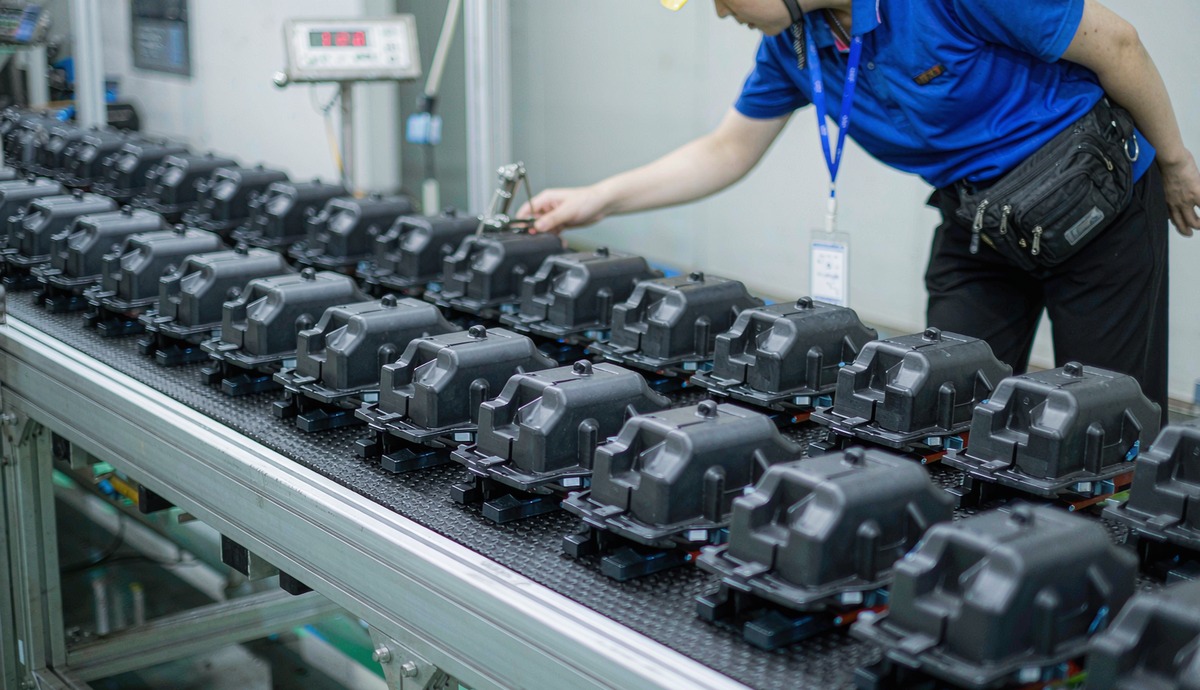
Surge plans should state which resource changes when demand rises. Adding overtime may work for a short peak but cannot compensate indefinitely for a fully loaded mold or a single inspection fixture. A credible plan identifies the trigger, incremental output, lead time, duration, cost, and quality controls for each step, such as overtime, an additional shift, a second qualified press, duplicate fixtures, or additional cavities.
How should recovery time and inventory be connected?
Recovery time objective, or RTO, is the target time to restore a defined level of supply after disruption. Recovery point objective, or RPO, is commonly used for data and describes how much recent information could be lost. For molded parts, buyers should also define the time to notify, assess tooling, obtain replacement resin, restart the process, complete release inspection, and deliver to the receiving plant. One headline recovery number without these stages can conceal unrealistic assumptions.
Inventory should bridge a quantified gap rather than provide emotional comfort. A simple starting point is expected recovery demand plus transport time and a variability allowance, less reliable material or finished-goods coverage already available. The calculation must consider shelf life, moisture sensitivity, color aging, packaging damage, engineering changes, cash, storage, and obsolescence. Finished-goods stock is faster to use; reserved resin is more flexible but still requires molding capacity and quality release.
Vendor-managed inventory, consignment stock, scheduled releases, and regional warehousing can improve response, but each arrangement needs ownership, replenishment triggers, forecast rules, cycle-count responsibilities, and treatment of obsolete stock. Inventory is one layer of resilience, not permission to ignore tool, material, or process recovery.
When does dual sourcing make sense?
Dual sourcing can reduce dependence on one supplier or location, but it creates its own technical and commercial complexity. Two suppliers may use different molds, machines, process windows, material sources, inspection methods, and packaging systems. The OEM must control interchangeability, approvals, drawings, change communication, traceability, and allocation. Splitting a low annual volume may also weaken purchasing leverage and make neither supplier operationally efficient.
Dual sourcing is most valuable when the consequence of shortage is high, the alternate source can remain genuinely qualified, and volume supports both routes. Alternatives include one primary supplier plus a warm backup, a transferable buyer-owned mold, duplicate critical inserts, a qualified second manufacturing site, or a documented emergency tool-build plan. A name on an approved-vendor list is not a backup unless capacity, tooling, material, data, and release requirements are ready.
What should a supplier business continuity plan contain?
A supplier business continuity plan should connect credible events to specific decisions and resources. At minimum, review governance, emergency contacts, customer notification, employee availability, utilities, equipment failure, fire and natural hazards, cyber and communications outage, resin shortages, sub-tier failure, logistics disruption, financial distress, and recovery testing. Sensitive security details may be redacted, but the buyer needs enough evidence to judge whether the plan is current and operational.
ISO 22301 and its implementation guidance provide a useful framework for business continuity management. The framework is valuable because it treats continuity as a maintained management system rather than a one-time document. For supplier assessment, the most revealing evidence is often the plan’s revision date, named owner, exercise history, findings, corrective actions, and proof that changes in volume, equipment, facilities, or dependencies caused the plan to be updated.
Scenario testing is more informative than asking 鈥淒o you have a plan?鈥?Ask what happens during the first hour, first day, and first week if the production mold is damaged, the facility loses power, the ERP system is unavailable, or the approved resin cannot be delivered. The answer should distinguish containment, customer notification, technical assessment, temporary supply, recovery, quality release, and post-incident improvement.
How is quality preserved during an emergency restart?
Continuity controls must never authorize uncontrolled changes. A restarted or transferred process may require mold inspection, machine verification, setup confirmation, first-off sampling, dimensional measurement, appearance review, material identity checks, functional testing, capability evidence, and documented release. The level of requalification depends on what changed and on the product’s risk.
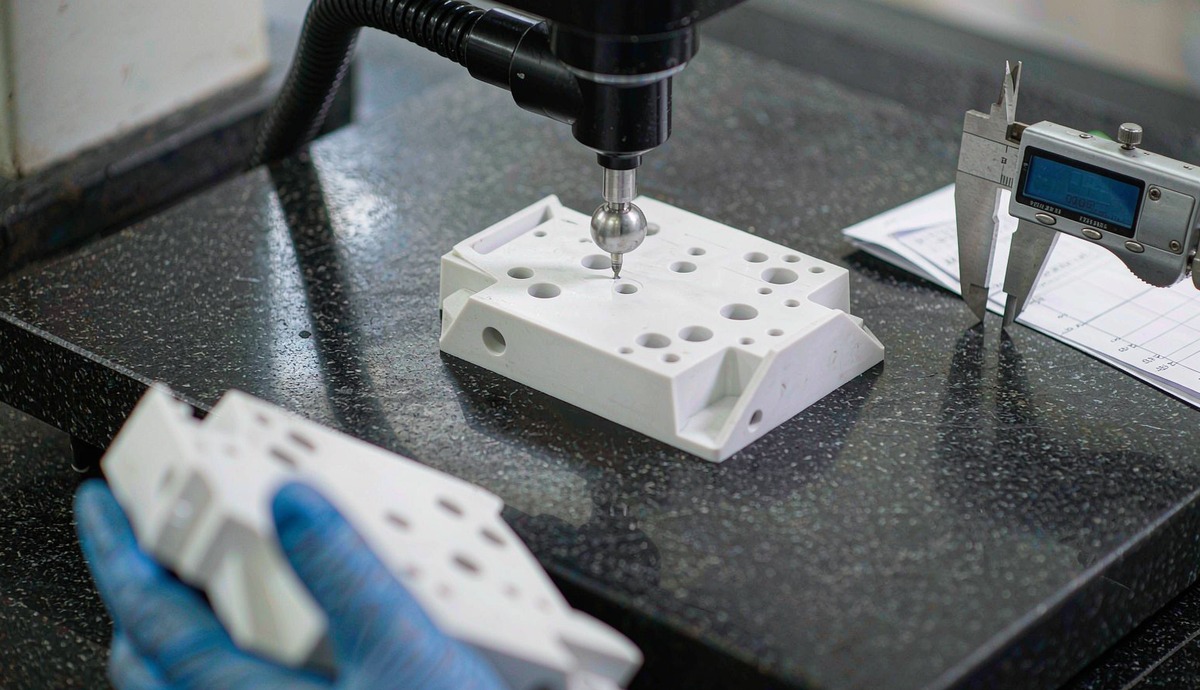
Emergency decisions should preserve traceability. The supplier should record affected material lots, mold and cavity, machine, date and shift, process revision, inspection status, deviations, and shipment identification. This allows the buyer to separate approved recovery output from suspect product and supports effective containment if a later concern appears.
A site audit can verify whether stated controls exist in practice. The plastic injection molding manufacturer audit guide covers material storage, the mold shop, process monitoring, metrology, live drills, corrective action, and audit scoring. For continuity-critical work, add a scenario exercise and verify closure of previous continuity findings.
Which contract terms support continuity?
Continuity expectations should survive the handoff from sourcing to operations. Put material requirements into the RFQ, quality agreement, tooling agreement, purchase terms, and program review cadence as appropriate. Legal counsel should adapt contractual language to the transaction and governing law, but the operational subjects should be explicit.
- Approved production site, key subcontracted operations, and notification or approval rules for changes.
- Tool ownership, identification, maintenance, insurance, access, transfer conditions, and return obligations.
- Customer data, revision control, record retention, cybersecurity expectations, and backup responsibilities.
- Approved material sources, substitution rules, traceability, and required compliance documentation.
- Forecast format, firm order windows, reserved capacity, surge assumptions, and inventory ownership.
- Incident notification triggers, contact hierarchy, update timing, and decision authority.
- Recovery tests, audit rights, corrective-action deadlines, and requalification triggers.
- Quality release requirements for transferred, restarted, repaired, or temporarily changed production.
The agreement should distinguish a commitment from a target. A guaranteed capacity reservation may affect price and order obligations; a nonbinding forecast has different consequences. The buyer should also define its own responsibilities, including timely forecasts, drawing control, approval response, safety-stock decisions, and payment. Continuity is a shared operating system, not a one-sided supplier promise.
Which leading indicators reveal continuity risk early?
On-time delivery and defect rate are necessary but lagging indicators; they show what already happened. Leading indicators reveal declining resilience before a missed shipment. Review overdue mold maintenance, unplanned downtime, premium freight, resin coverage, forecast error, open corrective actions, employee turnover in key roles, capacity utilization, overdue calibration, sub-tier delivery, financial warning signs, and the age of continuity tests.
| Indicator | Why it matters | Suggested management response |
|---|---|---|
| Resin coverage below agreed lead time | A normal order delay can become a production stop. | Escalate purchase coverage, allocation, or approved alternate planning. |
| Tool maintenance overdue | Wear can create defects or sudden downtime. | Schedule maintenance and protect stock before intervention. |
| Repeated premium freight | The schedule may be unstable even if delivery appears on time. | Investigate capacity, planning, yield, and supplier bottlenecks. |
| Open corrective actions aging | Known weaknesses remain available to trigger recurrence. | Assign owners, dates, verification, and management escalation. |
| No recent recovery exercise | The plan may depend on outdated people, systems, or assumptions. | Run a part-relevant tabletop or operational test. |
A monthly dashboard may suit a launch or troubled program, while a quarterly review may be enough for stable production. The review frequency should increase around tool transfers, volume ramps, facility changes, material shortages, and repeated delivery problems. Metrics should lead to decisions; collecting a large scorecard without escalation thresholds creates administrative work rather than resilience.
What should OEM buyers request in the RFQ?
A continuity-ready RFQ starts with a complete technical package: current CAD, controlled drawing, annual and peak volumes, forecast pattern, material and color, critical-to-quality characteristics, appearance standard, validation needs, packaging, destination, service-life expectations, and target schedule. It should then request evidence relevant to the risk of the program.
- Current management-system certificates with site, scope, validity, and issuing-body details.
- Proposed manufacturing route, press range, mold concept, capacity calculation, and bottleneck assumptions.
- Tool ownership, maintenance, expected life, critical spares, data package, and transfer provisions.
- Approved-material sourcing plan, lead times, traceability, stock policy, and alternate-material procedure.
- Sub-tier operations and controls for inserts, finishing, assembly, testing, packaging, and logistics.
- Part-relevant continuity summary with recovery objectives, contacts, alternate routes, and test evidence.
- Quality release plan for normal launch, restart, repair, transfer, and temporary deviation.
- Commercial assumptions for inventory, capacity reservation, expedited recovery, and forecast changes.
Compare suppliers using the same evidence matrix. Separate confirmed capability, contractual commitment, assumption, open action, and customer responsibility. This prevents a polished presentation from receiving the same score as demonstrated capacity or a tested recovery route.
What does a practical 30-60-90-day continuity plan look like?
In the first 30 days, define critical parts, consequences, recovery targets, current inventory, tooling ownership, approved materials, and contact roles. Verify certificate scope and establish one controlled technical package. Record the largest single points of failure and assign owners.
By 60 days, close urgent documentation gaps, complete capacity and mold-condition reviews, define material coverage, agree on change and incident notification, and select proportionate mitigations. These may include spares, buffer stock, alternate freight, protected process data, or second-source feasibility.
By 90 days, run a scenario test for at least one credible disruption. Verify that contacts respond, records are retrievable, decisions are authorized, quality release is defined, and the assumed recovery timeline is realistic. Convert findings into corrective actions with owners and due dates. Repeat the exercise after material changes or at a frequency based on risk.
Common mistakes that weaken plastic parts continuity
- Treating certification as product approval. A management-system certificate does not prove that the proposed part and process are capable.
- Counting machines instead of constraints. Spare press capacity is irrelevant if the mold, automation, resin, inspection fixture, or trained labor is unavailable.
- Calling an unqualified company a second source. A backup must have controlled data, feasible tooling, available capacity, material access, and an approval path.
- Using safety stock without a recovery plan. Inventory only buys time; it does not repair the tool or restore the process.
- Allowing emergency substitutions without approval. Continuity must preserve product requirements and traceability.
- Ignoring sub-tier suppliers. Inserts, resin, colorants, finishing, packaging, and freight can stop shipment even when molding is available.
- Testing the document but not the assumptions. A current contact list is useful, but a credible exercise also challenges capacity, data, material, tooling, quality release, and logistics.
Frequently asked questions
Is ISO 9001 certification enough to ensure continuous supply?
No. ISO 9001 certification can provide confidence that a supplier operates a quality management system within a defined scope, but it does not guarantee uninterrupted delivery or certify a specific plastic part. Verify site and scope, then assess tooling, capacity, materials, records, sub-tier dependencies, business continuity, and part-specific quality controls.
Should every critical plastic part have two suppliers?
No. Dual sourcing is appropriate when shortage impact is high and both sources can remain technically and commercially viable. Some programs are better protected by duplicate inserts, transfer-ready tooling, calculated inventory, reserved material, robust maintenance, or a qualified alternate site. Choose the control after comparing recovery time, validation cost, annual demand, and consequence of failure.
Who should own the injection mold?
Buyer ownership is common when the mold is dedicated to the buyer’s product, but the commercial arrangement must be explicit. Ownership should be supported by asset identification, maintenance terms, insurance, access rights, movement approval, data availability, and transfer conditions. A paid invoice alone may not provide operational transfer readiness.
How much safety stock is enough?
Safety stock should cover a quantified demand and recovery gap while accounting for lead-time variability, forecast error, shelf life, storage, and obsolescence. Critical parts may need enough finished goods to cover assessment, repair or transfer, validation, and transport. Recalculate coverage when demand, lead time, tool condition, or material availability changes.
How often should a supplier continuity plan be tested?
Testing frequency should be risk based. High-consequence programs may need an annual exercise plus event-driven reviews; stable lower-risk programs may use a longer interval. Retest after a facility move, major volume change, tool transfer, new material dependency, system change, significant incident, or failure of a previous assumption.
Build continuity into your next OEM plastic parts program
Supply continuity is strongest when it is designed before tooling release, not negotiated after a shortage. DJMolding supports B2B customers with plastic part DFM, mold design and manufacturing, injection molding, sampling, inspection, and production planning. For a productive project review, provide the 3D CAD file, 2D drawing, resin requirement, annual and peak volumes, critical dimensions, appearance requirements, target markets, packaging, destination, and expected schedule.
Contact DJMolding to discuss an OEM plastic parts project and identify the tooling, quality, material, capacity, and continuity controls appropriate to your program. You can also explore the website for more information about custom injection molding, mold manufacturing, and B2B production support.
Note: This article provides general procurement and manufacturing guidance. Certification, product compliance, legal terms, validation, and continuity requirements should be confirmed for the specific product, market, and contract.
