

Streamlining the Supply Chain: Choosing a High Volume Injection Molding Company
Quick answer: A high volume injection molding company streamlines a supply chain when it can do more than mold parts at a low piece price. The right partner plans capacity for peak demand, builds multi-cavity production tools with a backup strategy, secures resin supply, consolidates secondary operations and assembly under one roof, holds agreed safety stock, ships on predictable schedules and reports measurable delivery and quality performance. Buyers should choose a high volume molder by total landed cost and supply risk, not by the lowest quoted unit price, because a one-day line stoppage or a resin shortage usually costs more than any piece-price saving.
How this guide differs from a supplier audit: engineering checklists and factory audits verify whether a molder can make a good part. This guide looks at the supply chain side of the decision: how a high volume injection molding company affects inventory, lead times, logistics, cost and risk across years of production. For the engineering and audit side, see the engineer’s checklist for sourcing custom plastic injection molding and the guide on how to audit a plastic injection molding manufacturer.
What does “streamlining the supply chain” mean in high volume injection molding?
Streamlining the supply chain in high volume injection molding means reducing the number of handoffs, suppliers, inventory locations and delays between raw resin and the finished part arriving at the customer’s production line. A streamlined supply chain has fewer vendors to manage, shorter and more predictable lead times, less working capital tied up in stock and fewer points where quality can fail. In practice, the molding company becomes the single accountable source for tooling, molding, secondary operations, packaging and delivery of a part family.
High volume programs make streamlining especially valuable because small inefficiencies multiply. A part produced at 2 million units per year with an extra handling step, an extra shipment between vendors or an extra inspection station carries that cost on every unit. Removing one unnecessary transfer between a molder and a separate painting or assembly vendor can save transport, packaging, inventory and inspection costs while also cutting days from the total lead time.
What qualifies as high volume injection molding?
High volume injection molding usually refers to production of roughly 100,000 parts or more per year from a single part number, often reaching several million parts annually. At these quantities, buyers invest in hardened steel production molds rated for 500,000 to more than 1,000,000 cycles, use multi-cavity or family tools, and run automated molding cells with robotic part removal. The tooling cost is amortized over a large volume, so the unit price is driven mainly by cycle time, cavitation, resin cost and automation level.
The threshold matters for supplier selection because a molder optimized for prototypes and short runs operates very differently from a molder optimized for continuous production. A detailed comparison of the two operating models is available in the article on low-volume vs. high-volume plastic injection molding, and DJmolding’s production offering is described on the high volume injection molding service page.
Why should buyers judge a high volume molder by total landed cost instead of piece price?
Buyers should judge a high volume injection molding company by total landed cost because piece price is only one part of what a molded component really costs once it arrives at the point of use. Total landed cost includes the piece price, tooling amortization, packaging, freight, duties and tariffs, inventory carrying cost, incoming inspection, quality failures, expediting and the cost of production disruption. Two quotes with the same piece price can differ by 10 to 30 percent in landed cost.
| Cost element | Where it appears | How a capable high volume molder reduces it |
|---|---|---|
| Piece price | Quotation | Optimized cycle time, multi-cavity tooling, automation |
| Tooling amortization | Quotation or separate tooling invoice | Correct tool life rating and cavitation for annual volume |
| Secondary operations | Other vendors’ invoices and freight between them | In-house assembly, inserts, printing, ultrasonic welding |
| Packaging and freight | Logistics invoices | Engineered packaging, optimized pallet density, consolidated shipments |
| Inventory carrying cost | Warehouse and working capital | Kanban, consignment or scheduled releases |
| Quality cost | Incoming inspection, rework, returns | Process monitoring, certified shipments, low PPM |
| Disruption cost | Line stoppages, premium freight | Capacity reserve, backup tooling, resin security |
A useful practice is to ask every shortlisted supplier to quote the same delivery terms and packaging specification, then add freight, duties, expected inventory levels and an allowance for quality and disruption risk. The lowest landed cost, not the lowest piece price, identifies the most economical partner.
How can a buyer verify that a molder has enough capacity for high volume production?
A buyer can verify capacity by comparing the part’s required machine hours with the molder’s available machine hours in the right tonnage range. Required hours are calculated from annual volume, cycle time and cavitation: for example, 3 million parts per year from an 8-cavity mold with a 20-second cycle needs about 2,100 machine hours per year, before allowing for downtime and scrap. The buyer should then ask how many presses of the required clamping force are available, how heavily they are already loaded and whether the plant runs two or three shifts.
A capable high volume injection molding company typically keeps machine utilization below about 80 to 85 percent so it can absorb demand spikes, mold maintenance and new launches without missing deliveries. Buyers should also confirm the availability of automation, such as robots and conveyors, because a manually unloaded press cannot sustain the same cycle consistency over millions of shots. Capacity planning should be reviewed again at every annual volume forecast, not only at supplier selection.
How does tooling strategy affect supply chain reliability?
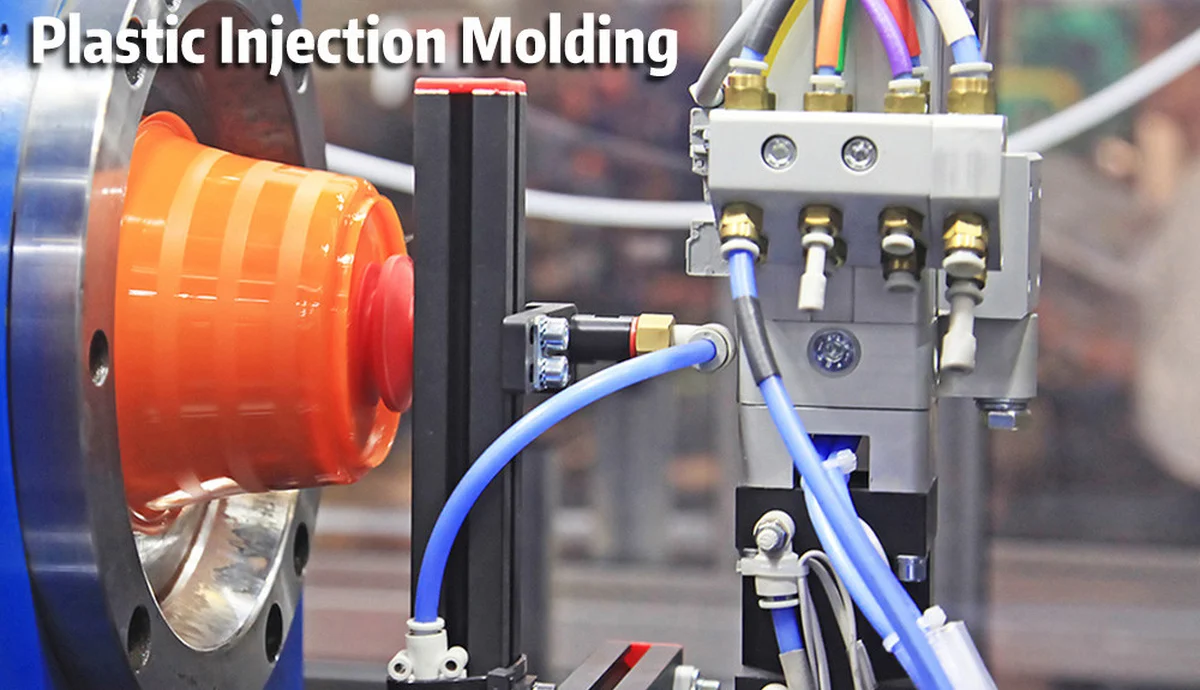
Tooling strategy affects supply chain reliability because the mold is the single point of failure in an injection molding supply chain. If a production mold breaks or wears out and no backup exists, supply stops until the mold is repaired or rebuilt, which can take several weeks. A high volume tooling strategy should therefore define the mold steel and tool life rating, the number of cavities, the spare parts kept on hand for wear components, the preventive maintenance interval and whether a second mold is justified.
A second production mold, or a lower-cavitation backup mold, is usually justified when the part feeds a continuous assembly line, when annual volume exceeds the realistic output of one tool, or when the cost of a stoppage clearly exceeds the cost of the extra mold. Buyers should also confirm that the molder has in-house injection mould manufacturing and injection mould repair capability, because a molder that must send a damaged tool to an outside toolmaker adds days or weeks to every repair.
How does cavitation change cost and supply risk?
Cavitation, the number of identical parts produced in one mold cycle, is the main lever for both unit cost and capacity in high volume injection molding. Increasing cavitation from 4 to 8 cavities roughly doubles output per machine hour and lowers the machine-time share of the piece price, but raises mold cost and requires a larger press. Very high cavitation also increases the impact of one damaged cavity and makes balanced filling harder to maintain.
A practical approach is to choose cavitation from the annual volume, the target cycle time and the available press size, then add a safety margin for growth. Many buyers split very high volumes across two moderate-cavitation tools instead of one very large tool, because two tools in two presses provide built-in redundancy. Family molds, which produce different related parts in one shot, can simplify kitting and assembly but should be used only when the parts have similar volume and geometry, as explained on the family injection molds page.
Who should own the production molds, and how should that be documented?
In most high volume programs the buyer pays for and owns the production molds, while the molder stores, operates and maintains them. Ownership should be documented in the purchase agreement and in a tooling record that lists the mold number, steel, cavitation, tool life rating, owner, storage location and maintenance responsibility. Clear ownership protects the buyer’s supply chain because it allows the molds to be transferred to another facility if the relationship ends or if capacity must be moved.
The agreement should also define who pays for normal wear refurbishment, who pays for damage, what notice is required for a mold transfer, how intellectual property is protected and how long inactive molds are stored. Molds should carry permanent identification plates, and the molder should provide shot counter readings and maintenance logs at agreed intervals so the buyer can plan tool replacement before failure.
How should resin supply be secured for high volume production?
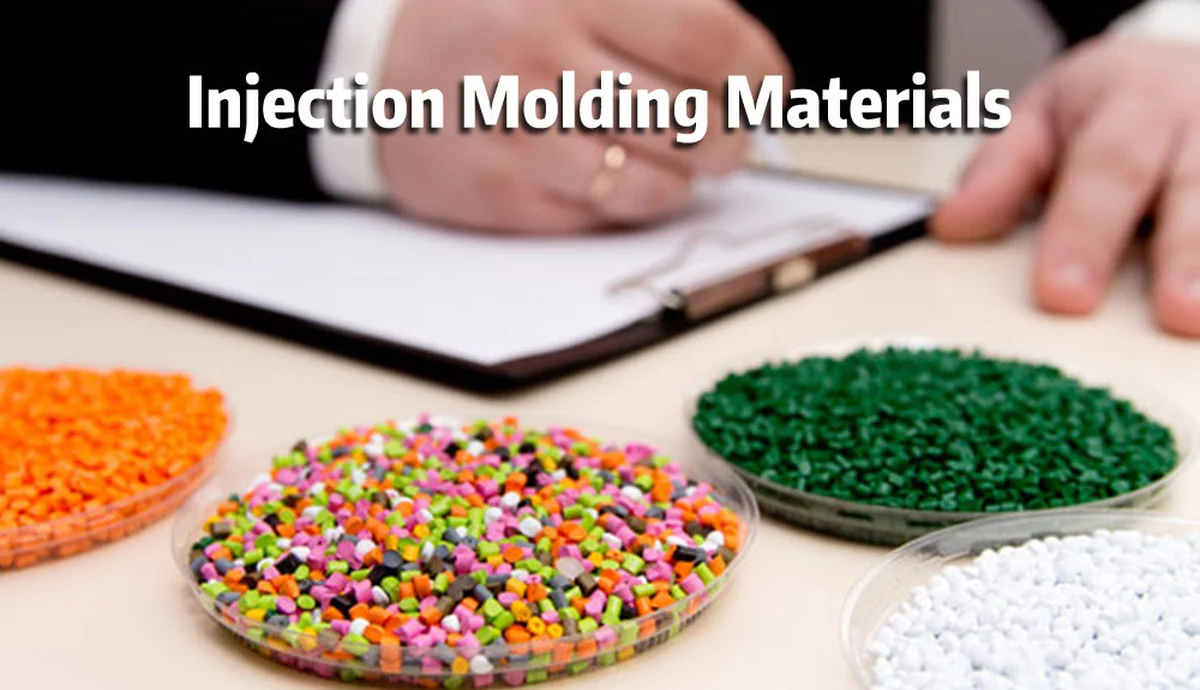
Resin supply should be secured through an approved material list, forecast sharing, agreed safety stock and a pre-qualified alternative grade wherever the application allows one. High volume programs consume resin in tonnes, and shortages, force majeure declarations or long lead times for specialty engineering grades can stop production even when tools and presses are available. The molder should buy resin directly from authorized distributors or producers, keep lot traceability and inform the buyer early about allocation or price changes.
Buyers should also agree on how resin price changes are passed through. A common approach is to index the material portion of the piece price to a published resin price reference or to review it quarterly, which keeps quotations fair for both parties. When the specification allows, qualifying a second grade or a second producer in advance can turn a potential multi-week shortage into a simple material switch. Guidance on material choices is available in how to select the best resin for your plastic injection part.
Why does consolidating secondary operations with one molder streamline the supply chain?
Consolidating secondary operations with one high volume injection molding company streamlines the supply chain because every transfer between vendors adds freight, packaging, inventory, inspection and lead time. Common secondary operations include insert molding, overmolding, two-color molding, pad printing, laser marking, ultrasonic welding, heat staking, assembly of sub-components, kitting and custom packaging. When the molder performs these steps in-house, the buyer receives a finished, ready-to-use component from one source with one quality record.
Consolidation also improves accountability. When molding and assembly are split across two vendors, a defect found at assembly often leads to disputes about which vendor caused it. A single supplier owns the whole result. Buyers evaluating consolidation should check the molder’s experience with processes such as insert injection molding, overmolding and two color injection molding.
Which inventory programs can a high volume molder offer?
A high volume injection molding company can offer several inventory programs that reduce the buyer’s stock levels while protecting supply. The most common are scheduled releases against a blanket purchase order, kanban replenishment, safety stock held at the molder, and consignment or vendor-managed inventory at or near the buyer’s site. Each program shifts part of the inventory responsibility to the supplier in exchange for longer-term volume commitments.
| Program | How it works | Best suited for |
|---|---|---|
| Blanket order with scheduled releases | Annual quantity agreed; deliveries released weekly or monthly | Stable demand with good forecasts |
| Kanban replenishment | Fixed container quantities replenished when emptied | Repetitive assembly lines with steady usage |
| Safety stock at the molder | Agreed finished-goods buffer held at the factory | Long transit routes or seasonal peaks |
| Consignment / VMI | Supplier-owned stock at the buyer’s site, invoiced on use | High-value or high-usage parts where working capital matters |
The choice should be based on demand stability, transit time and the cost of a stock-out. For international supply, safety stock should cover at least the replenishment lead time plus a buffer for shipping variability. Inventory terms, including liability for stock built to forecast, should be written into the supply agreement.
How do location and logistics affect the choice of a high volume molder?
Location and logistics affect the choice of a high volume injection molding company because transit time, freight cost, duties and supply risk all depend on where the parts are produced. A nearby molder offers short lead times, flexible deliveries and easier communication, but may have higher labor and overhead costs. An offshore molder can offer lower piece prices and strong tooling capability, but adds ocean or air freight, customs clearance, possible tariffs and longer replenishment cycles.
Many buyers use a blended strategy: offshore production for stable, high volume parts with predictable demand, and regional production or regional safety stock for parts with volatile demand or short reaction times. Whatever the location, buyers should agree on Incoterms, packaging standards, labeling, shipping documents and the planned transit time, and should include freight and duties in the landed cost comparison. Engineered packaging that protects cosmetic surfaces and maximizes pallet density is one of the simplest ways to reduce logistics cost per part.
Which KPIs should be used to manage a high volume molding supplier?
A high volume molding supplier should be managed with a short set of measurable key performance indicators reviewed monthly or quarterly. The most useful KPIs are on-time delivery percentage, quality defect rate in parts per million (PPM), number of customer complaints and corrective actions, response time to corrective actions, lead time adherence, and inventory accuracy where the supplier manages stock. Many buyers add a cost-improvement target and a tool maintenance compliance measure for long-running programs.
KPIs work best when targets are agreed at the start of the program and reported by the supplier in a consistent scorecard. A typical expectation for a mature high volume program is on-time delivery above 95 percent and a defect rate in the low hundreds of PPM or better, depending on the industry. Suppliers that already track overall equipment effectiveness (OEE), scrap rate and first-pass yield internally can usually improve customer-facing KPIs faster, because they can see the causes of late deliveries and defects. DJmolding’s approach to inspection and documentation is outlined on the quality control system page.
Which supply risks should be assessed before awarding a high volume program?
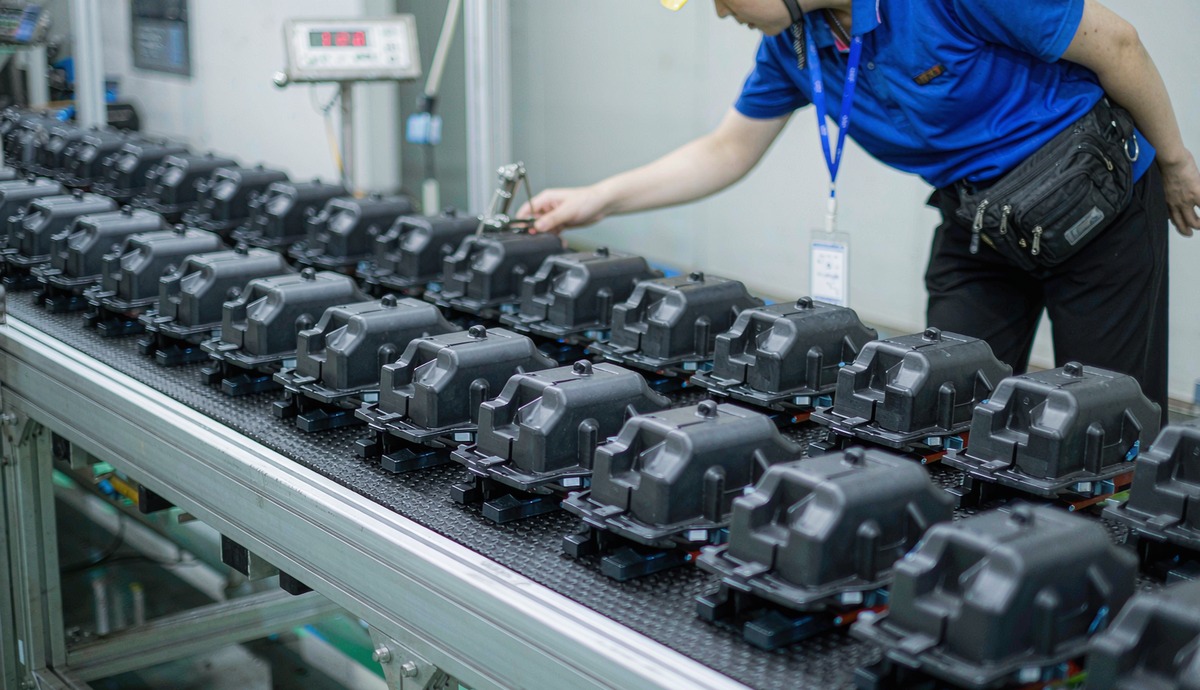
Before awarding a high volume injection molding program, buyers should assess supplier concentration risk, tooling risk, material risk, capacity risk, logistics risk and financial risk. Supplier concentration risk exists when a critical part has only one approved source. Tooling risk exists when there is no backup mold or in-house repair capability. Material risk exists when the resin has a single source or long lead time. Capacity risk exists when the molder’s presses are already fully loaded.
Logistics risk includes long transit routes, port congestion and tariff changes, while financial risk includes the supplier’s stability and its ability to fund resin purchases and tooling maintenance. A simple risk register that rates each risk by likelihood and impact, with an agreed mitigation such as backup tooling, safety stock or a qualified second source, is enough for most programs. The register should be reviewed at least once a year.
How should production be transferred to a new high volume molder without disrupting supply?
Production should be transferred to a new high volume molder through a planned sequence that keeps parts flowing during the change. The buyer first builds a bank of parts from the existing source to cover the transfer period plus a safety margin. The molds are then inspected and documented before shipment, transferred, repaired if needed, and sampled at the new facility. Production resumes only after dimensional approval, process validation and a trial run at the required rate.
A typical mold transfer takes four to twelve weeks depending on mold condition, approval requirements and transit distance. Buyers should agree in advance who pays for refurbishment found during inspection and should request the original process parameters, material specifications and inspection records from the previous supplier wherever possible. A molder with in-house injection mould design and mold repair expertise can evaluate transferred tools quickly and recommend improvements that shorten cycle time or reduce maintenance.
How does a launch move from low volume to high volume without changing suppliers?
A product launch can move from low volume to high volume without changing suppliers when the same molding company offers both bridge tooling and production tooling. Bridge tools, often made from aluminum or softer steel, supply launch quantities while the hardened multi-cavity production tool is being built and qualified. Keeping both stages with one supplier preserves the process knowledge, quality records and supply relationship gained during launch.
The handover from bridge to production tooling should be planned so that inventory from the bridge tool covers the production tool’s build and approval time. Buyers that plan this transition early avoid a second supplier qualification and reduce the risk of supply gaps during ramp-up. The approach is described in more detail in the article on scaling product launches with low volume injection molding.
What should a high volume injection molding RFQ include?
A high volume injection molding request for quotation should give suppliers enough information to quote the complete supply solution, not only the piece price. The RFQ package should include:
- 3D models and 2D drawings with critical dimensions, tolerances and cosmetic requirements
- Material specification and any approved alternative grades
- Annual volume forecast for three to five years, with expected monthly peaks
- Required tool life, preferred cavitation and backup tooling expectations
- Secondary operations, assembly and packaging requirements
- Delivery location, Incoterms, delivery frequency and inventory program
- Quality requirements, inspection documentation and certification expectations
- KPI targets and reporting frequency
- Tool ownership, maintenance responsibilities and mold transfer terms
- Requested breakdown of tooling cost, piece price, packaging and freight
Asking every supplier for the same breakdown makes quotations comparable and shows which suppliers understand high volume supply. Suppliers that ask detailed questions about forecasts, logistics and assembly before quoting are usually better prepared to streamline the supply chain.
What are the most common mistakes when choosing a high volume injection molding company?
The most common mistake is selecting a high volume injection molding company by the lowest piece price without calculating total landed cost. A low price that comes with long transit times, frequent expediting, separate vendors for assembly or poor delivery performance usually becomes the most expensive option over the program’s life. The second common mistake is relying on a single production mold for a critical part without a maintenance plan or backup.
Other frequent mistakes include failing to document tool ownership, not sharing forecasts with the molder, ignoring resin supply risk, leaving inventory liability undefined, and skipping KPI reporting until a problem occurs. Each of these mistakes can be avoided by treating the molder as a long-term supply chain partner and writing the supply terms into the agreement from the start.
Frequently asked questions
What annual volume justifies a high volume injection molding supplier?
A dedicated high volume injection molding supplier is usually justified from roughly 100,000 parts per year per part number, and becomes clearly advantageous at several hundred thousand to millions of parts per year. At these volumes, hardened multi-cavity molds, automation and supply programs reduce unit cost and stabilize delivery.
Should a buyer dual-source a high volume molded part?
Dual sourcing is worth considering for critical parts that would stop a production line if supply failed. The trade-off is higher tooling cost and more supplier management. Many buyers instead use one primary supplier with a backup mold, safety stock and documented transfer terms.
How long does it take to start high volume injection molding production?
A new high volume program typically needs six to twelve weeks for production mold design and manufacturing, followed by sampling, approval and a production trial. Total time from purchase order to stable production is often three to five months, depending on part complexity, cavitation and approval requirements.
How often should high volume molds be maintained?
High volume molds should receive preventive maintenance at shot-count intervals defined for each tool, commonly every 50,000 to 250,000 cycles depending on resin, mold complexity and cavitation. Daily cleaning and inspection of venting, cooling and moving components should be part of normal production.
Can one molder handle molding, assembly and packaging?
Yes. Many high volume injection molding companies perform insert molding, overmolding, printing, welding, assembly and custom packaging in-house. Consolidating these steps with one supplier shortens lead time, reduces freight and inventory between vendors and gives one point of accountability for quality.
Streamline your high volume supply chain with DJmolding
DJmolding provides custom plastic injection molding for high volume programs, combining in-house mold design, mold manufacturing, molding, secondary operations and quality control in one supply chain. Our team reviews your forecast, tooling plan, logistics requirements and quality targets, then proposes a production solution built on total landed cost rather than piece price alone. Learn more on our about page, our injection molding workshop and mould workshop pages, and our customer cases.
Ready to consolidate suppliers or move a program to high volume production? Send your drawings, annual volume forecast, material requirements and delivery location through the DJmolding contact page. Our engineers will reply with a DFM review, a tooling and capacity plan, and a quotation that shows tooling, piece price, packaging and logistics clearly. OEMs, contract manufacturers and sourcing agents are welcome to request a supply program review.
