

Top 10 Injection Mold Tooling Manufacturers in China 2026
Quick answer: China’s injection mold tooling industry is concentrated in two main clusters: the Pearl River Delta around Shenzhen and Dongguan, known for precision molds for electronics, medical and consumer products, and the Huangyan and Taizhou area in Zhejiang, known for large molds for automotive, appliance and packaging parts. This 2026 shortlist includes ten Chinese mold makers across both clusters: DJmolding, HingTung Precision, ACO Mold, Alpine Mold, TK Mold, Hongrita, SINO Mould, JMT Mold, Topworks and FOW Mould. The list is not a ranking. The right toolmaker depends on mold size, precision, industry, mold-only or mold-plus-molding scope and export standards, and every candidate should be verified with a DFM review, a sample tool history, steel certificates and references.
Editorial disclosure: this guide is published by DJmolding, which appears in the list. Company profiles are based on information published by the companies and by industry roundups, and they are not independent audits. Founding dates and specialties should be confirmed with each company. The order is for reading convenience and does not rank quality or capacity. Supplier verification methods are explained in how to audit a plastic injection molding manufacturer.
What does an injection mold tooling manufacturer do?
An injection mold tooling manufacturer designs and builds the steel or aluminum molds that shape plastic parts in injection molding machines. The work includes design for manufacturability (DFM) review, mold flow analysis, mold design, steel procurement, CNC machining, electrical discharge machining (EDM), heat treatment, polishing and texturing, assembly, trial molding and mold modification until the parts meet specification. Some toolmakers sell molds only and ship them to the customer’s molder; others build molds and also run production in their own molding plant.
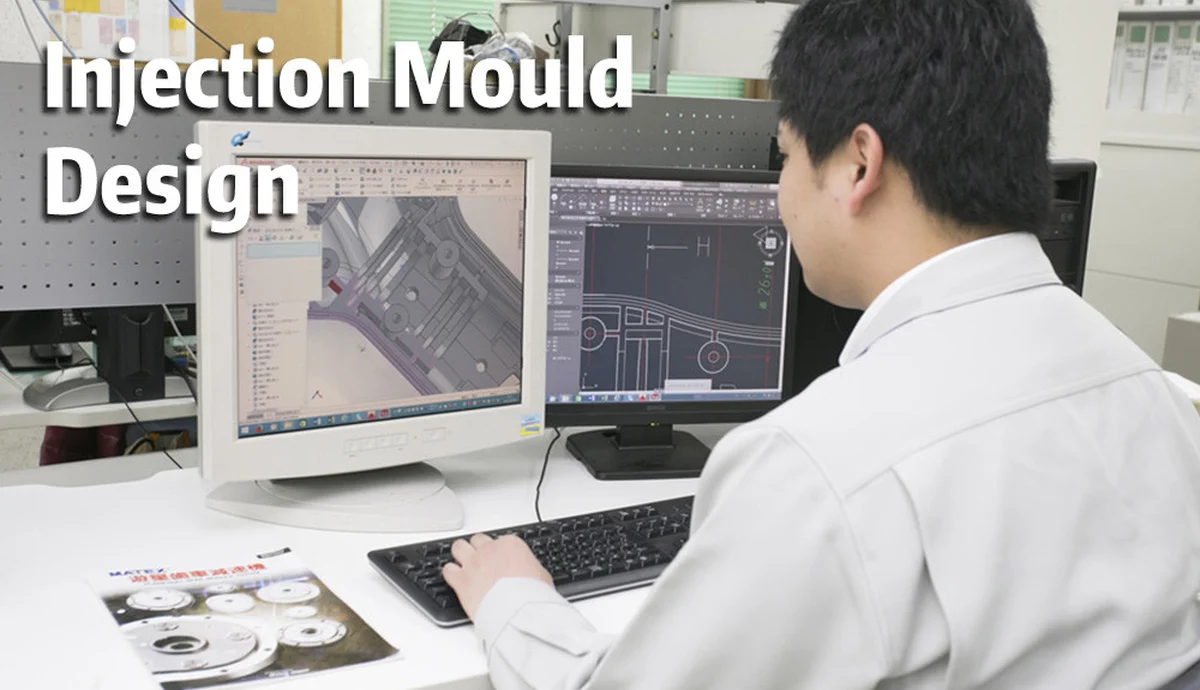
The difference between mold-only suppliers and mold-plus-molding suppliers matters for buyers. A mold-only supplier must build to the buyer’s press specifications and mold standards and deliver complete documentation for production elsewhere. A mold-plus-molding supplier keeps the mold in its plant, which simplifies sampling, maintenance and changes but ties production to that supplier. Mold design and manufacturing scope are described on the injection mould design and injection mould manufacturing pages.
How were these ten Chinese mold makers selected?
The ten companies were selected because they are Chinese mold makers that publicly describe injection mold tooling as a core business and appear repeatedly in industry discussions of mold sourcing in China. The list intentionally covers different specializations: precision and medical molds, multi-component and liquid silicone rubber molds, large automotive and appliance molds, and packaging molds. Companies whose main business is molding machines or sourcing services were excluded.
Inclusion does not mean that a company suits every project or holds every certification. Several profiles rely on company self-descriptions or roundup articles that disagree on details such as founding year. Each profile therefore ends with what buyers should verify.
Ten injection mold tooling manufacturers in China to compare in 2026
1. DJmolding: automotive, appliance and precision molds with in-house molding
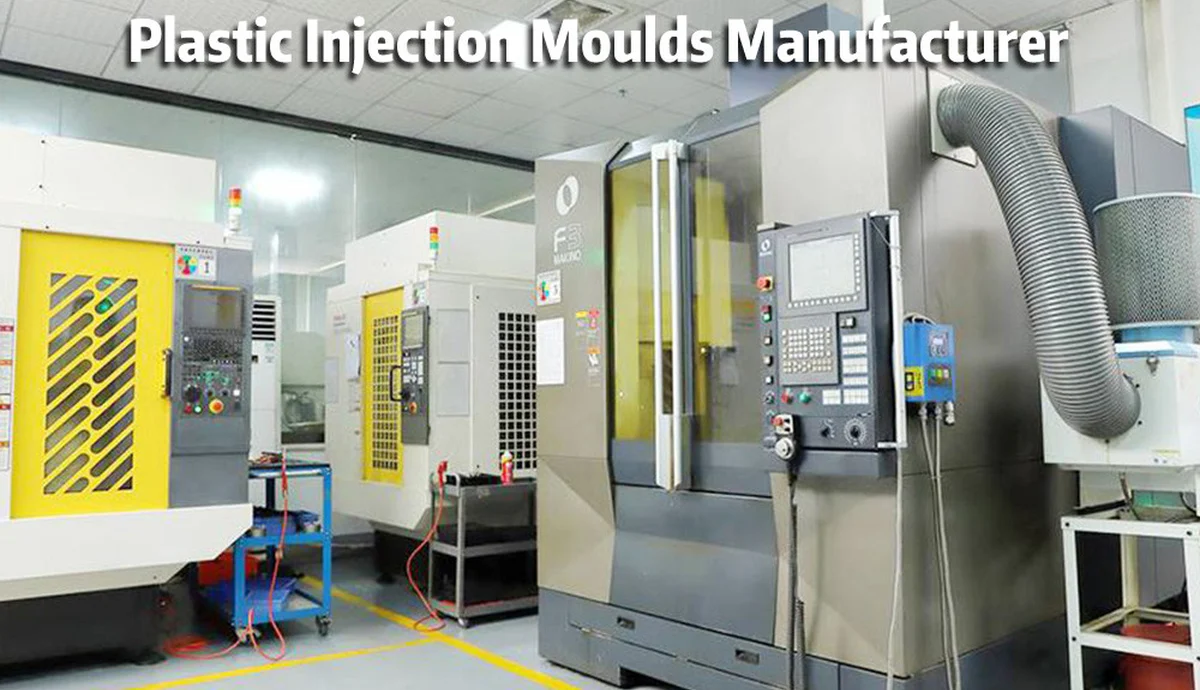
DJmolding is a mold maker and injection molder in Guangdong, established in 2010, with a facility of about 15,000 square meters equipped with gantry and horizontal CNC machining centers, EDM and wire EDM machines and a coordinate measuring machine. Its mould workshop specializes in automotive molds such as HVAC, lamp, interior and exterior, instrument panel, door panel and bi-injection molds, and in molds for home appliances, along with precision molds for medical and consumer products. Its services include DFM, mold flow analysis, hot runner and cold runner molds, prototyping, low and high volume molding and mold repair for molds from other countries.
DJmolding suits buyers who want one supplier for mold design, tooling and production molding, or who need export molds built to customer standards. Facilities are shown on the mould workshop and injection molding workshop pages.
2. HingTung Precision: precision mold design, tooling and molding
HingTung Precision is a Shenzhen-based mold maker, reported in industry roundups as founded in 2002, offering mold design, tooling and molding for automotive, consumer electronics and medical device parts.
HingTung is relevant for buyers seeking a full-service precision tooling partner in the Shenzhen cluster. Buyers should verify mold standards, steel sources and references for comparable parts.
3. ACO Mold: high-precision export molds
ACO Mold is a Shenzhen mold maker, reported as founded around 1998, focused on high-precision molds for medical, automotive and electronics applications, with a large share of export work.
ACO Mold is relevant for export mold buyers who need documentation and communication suited to overseas molders. Buyers should confirm mold standards, warranty terms and sampling procedures.
4. Alpine Mold: overmolding, insert and thin-wall tooling
Alpine Mold is a Shenzhen-based toolmaker, reported as founded in 2002, with experience in overmolding, insert molding and thin-wall molds.
Alpine Mold is relevant for parts that combine materials or embed metal inserts. Buyers should review sample parts from similar multi-material molds and confirm press compatibility for export tools.
5. TK Mold: precision molds for electronics and medical
TK Mold, part of a group reported as founded in 1983 with operations in China and Germany, is described in industry sources as a large supplier of precision molds and molding for electronics, medical and automotive electronics programs.
TK Mold is relevant for large programs that need precision tooling with established project management. Buyers should confirm which facility will build the tool and the applicable quality system.
6. Hongrita: precision, multi-component and LSR molds
Hongrita is described in industry sources as a precision mold maker known for liquid silicone rubber (LSR) and multi-component molding, with significant medical and healthcare work.
Hongrita is relevant for buyers developing LSR or two-shot parts for medical or consumer products. Buyers should verify cleanroom molding capability, validation documentation and tool ownership terms.
7. SINO Mould: electrical, appliance and die-casting molds
SINO Mould is a mold maker in Huangyan, Zhejiang, reported as founded in 1992, producing molds for electrical components and appliances and also die-casting molds.
SINO Mould is relevant for appliance and electrical part buyers sourcing from the Huangyan mold cluster. Buyers should confirm mold size range, steel options and export documentation.
8. JMT Mold: automotive and appliance molds
JMT Mold (JMT Automotive Mold) is located in Huangyan, Zhejiang, and is reported as founded in 2005, focusing on automotive interior and exterior molds, appliance molds and SMC molds.
JMT is relevant for buyers of large automotive and appliance tools. Buyers should review press tonnage requirements, mold weight, trial capabilities and references from automotive programs.
9. Topworks Plastic Mold: medical molding and tooling
Topworks Plastic Mold is based in Taizhou, Zhejiang, reported as founded in 2008, and is described as offering mold making and medical molding, including molding in an ISO class 8 cleanroom.
Topworks is relevant for medical device buyers who want tooling and cleanroom molding from one supplier. Buyers should verify the quality management system for medical devices and validation support.
10. FOW Mould: large packaging, automotive and appliance molds
FOW Mould is located in Taizhou, Zhejiang, and is reported as founded in the late 1970s, making it one of the long-established mold makers in the region. It is described as producing large molds for packaging, automotive, appliance and furniture parts.
FOW Mould is relevant for buyers of large and packaging molds such as crates, containers and big housings. Buyers should confirm cycle time targets, hot runner design and the trial press capacity for large tools.
How do the ten mold makers compare by specialization?
Comparing mold makers by specialization is more useful than ranking them, because a toolmaker that excels at large automotive molds may not be the right choice for a micro medical part, and vice versa. The table below groups the ten companies by typical focus areas described in their public profiles.
| Specialization | Relevant companies | Key buyer questions |
|---|---|---|
| Large automotive and appliance molds | DJmolding, JMT, FOW Mould, SINO Mould | Maximum mold size, trial press tonnage, mold standards |
| Precision electronics and consumer parts | DJmolding, HingTung, ACO Mold, TK Mold | Tolerances, steel grades, measurement equipment |
| Medical and cleanroom programs | Topworks, TK Mold, Hongrita, ACO Mold | Quality system, validation, cleanroom molding |
| Overmolding, insert and multi-shot | Alpine Mold, Hongrita, DJmolding | Material bonding, insert handling, rotary or core-back design |
| Packaging and thin-wall | FOW Mould, Alpine Mold | Cycle time, hot runner balance, steel hardness |
Where are China’s main mold making clusters?
China’s mold making industry is concentrated in regional clusters with different strengths. The Pearl River Delta, including Shenzhen and Dongguan, has many precision toolmakers serving electronics, medical, consumer and automotive electronics customers, supported by a dense network of steel suppliers, hot runner distributors, EDM services and texturing shops. The Huangyan and Taizhou area in Zhejiang is known as a center for large molds, including automotive bumpers, instrument panels, appliance housings and packaging crates. Other clusters exist around Ningbo, Kunshan and Suzhou.
Cluster location affects lead time and cost, because toolmakers rely on local suppliers for steel, heat treatment, texturing and standard components. It also matters for audits: buyers can visit several toolmakers in one cluster in a single trip. Choosing a cluster that matches the part type is a practical first filter when building a supplier shortlist.
Which mold standards and steel specifications should buyers require?
Buyers should require mold standards and steel specifications that match the expected production volume and the molding plant where the tool will run. Mold classifications such as the SPI classes define expected tool life, from prototype molds to molds for more than one million cycles. Mold base and component standards, often referred to by the names of common European, American or Asian standard systems, determine whether replacement parts can be sourced locally where the mold will run.
| Specification item | Why it matters |
|---|---|
| Mold class and guaranteed tool life | Matches tool cost to production volume |
| Cavity and core steel grade and hardness | Determines wear resistance, polishability and corrosion resistance |
| Steel certificates | Confirms material origin and composition |
| Mold base and component standard | Simplifies spare parts and maintenance abroad |
| Hot runner system and controller | Affects cycle time, scrap and serviceability |
| Cooling, venting and ejection design | Drives cycle time and part quality |
| Press interface | Ensures the mold fits the target molding machine |
Choosing between aluminum, pre-hardened and hardened steel tooling is discussed in the injection molding cost guide.
How does the mold building and sampling process work with a Chinese toolmaker?
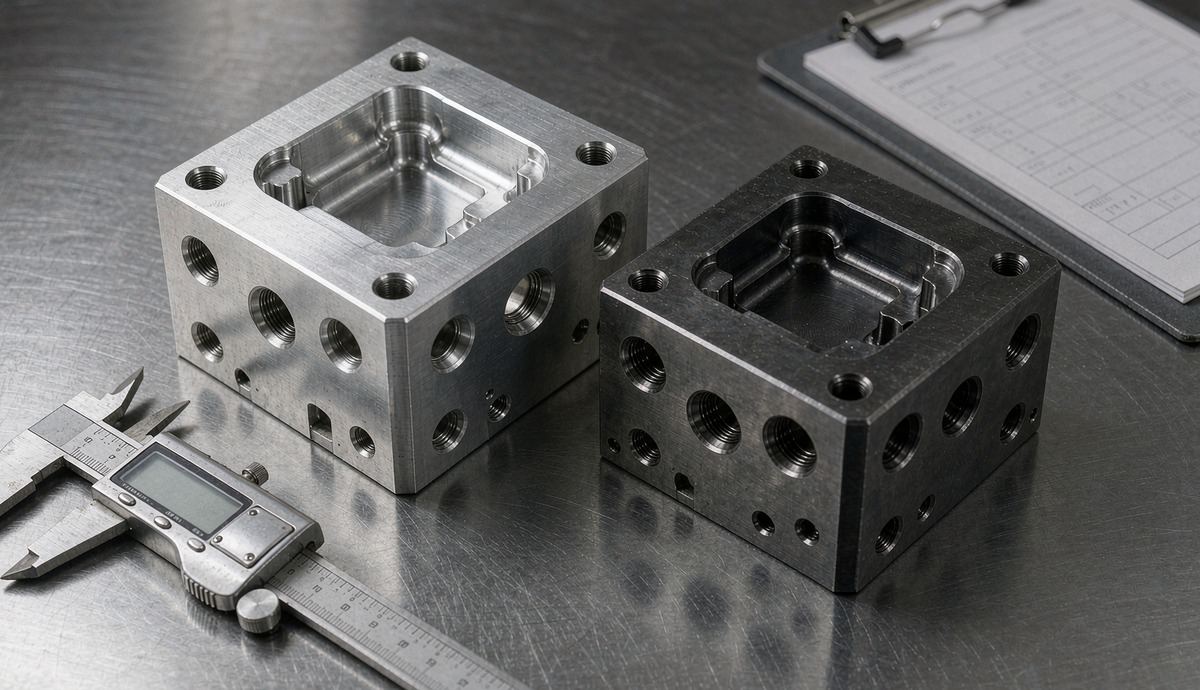
Mold building with a Chinese toolmaker typically follows a defined sequence: quotation, DFM report, design approval, steel ordering, machining and assembly, first trial (T0 or T1), sample inspection, modifications, further trials until approval, and shipment or transfer to production. Many toolmakers send weekly progress reports with photos of machining and assembly, and video of trials.
Clear acceptance criteria shorten the process. Before tool kickoff, buyers should define critical dimensions, cosmetic requirements, cycle time targets, the number of sample parts, the measurement report format and the conditions for final approval. For export molds, the trial should be run on a press comparable to the one that will run the mold in production. First article and capability requirements are described in the engineer’s checklist for sourcing custom plastic injection molding.
What should be included in a mold tooling quotation?
A mold tooling quotation should be detailed enough to compare suppliers on the same basis. It should state the number of cavities, mold base size and standard, cavity and core steel with hardness, hot runner or cold runner design, slides and lifters, cooling design, surface finish and texture, mold class and guaranteed shots, number of trials and sample parts included, mold flow analysis, lead time to first trial, payment terms, packaging and shipping terms, and spare parts.
A low tooling price often hides a smaller mold base, lower steel grade, fewer cooling channels or fewer included trials. Asking every toolmaker to complete the same quotation template, and to quote the part price if they also mold, makes the true differences visible. Cost drivers are explained further in the tooling cost and part price guide.
Who owns a mold built in China, and how is it shipped?
A mold built in China normally belongs to the buyer once it has been paid for, but ownership, storage, maintenance and transfer terms should be written into the purchase agreement. The agreement should state that the mold is the buyer’s property, may only be used for the buyer’s parts, and will be released for shipment or transfer on request. Molds should carry a nameplate with owner, mold number and key data.
For export, molds should be cleaned, rust-protected, packed in wooden crates with moisture protection, and shipped with a complete documentation package: mold drawings, steel certificates, hot runner documentation, cooling and water layout, spare parts list, trial parameters and sample parts with measurement reports. Mold repair and maintenance options after delivery are described on the injection mould repair page.
What project management should buyers expect from a Chinese toolmaker?
Buyers should expect a Chinese toolmaker to provide a named project manager, an agreed schedule with milestones, and regular progress reporting from design approval to final shipment. A typical schedule lists DFM completion, design approval, steel arrival, rough machining, heat treatment, finish machining and EDM, assembly, first trial and each later trial. Weekly reports with photos of machining and assembly, and video of trial runs, allow buyers to follow progress without traveling.
Good project management also includes a change log that records every design change with its effect on cost and timing, an issue list after each trial with responsible persons and target dates, and clear communication in the buyer’s language. Time-zone differences can work in the buyer’s favor when questions sent at the end of the buyer’s day are answered by the next morning. Toolmakers that cannot provide this level of transparency during quoting are unlikely to provide it during the project, so communication quality should be part of supplier evaluation.
How can buyers reduce a long list of mold makers to three finalists?
Buyers can reduce a long list of mold makers to three finalists by applying four filters in sequence. First, specialization: keep toolmakers whose typical mold size, complexity and industry match the part. Second, engineering evidence: keep those that return a detailed DFM report with clear recommendations. Third, capacity and equipment: confirm machining, EDM, measurement and trial press capacity for the required mold size. Fourth, references and communication: keep toolmakers with comparable export projects and responsive project management.
The finalists can then be compared through a video or on-site audit, a review of a recent comparable mold and its documentation, and a full quotation on the same template. Choosing on price only after these filters reduces the risk of late, unstable or poorly documented tools.
What are the most common mistakes when buying molds from China?
The most common mistake when buying molds from China is choosing a toolmaker by the lowest mold price without comparing steel, mold base, cooling and included trials, which often leads to longer cycles and higher maintenance later. The second common mistake is approving a mold without written acceptance criteria, which makes disputes about dimensions and cosmetics difficult to resolve.
Other frequent mistakes include not specifying the target press, ignoring mold standards for spare parts, changing the part design after steel cutting, not requiring steel certificates, skipping mold flow analysis on complex parts, and leaving mold ownership and transfer terms undefined. Each of these mistakes is avoided with a complete RFQ, a detailed DFM review and a written tooling agreement.
Frequently asked questions
Is this list a ranking of the best mold makers in China?
No. The list is a shortlist of Chinese injection mold tooling manufacturers, presented in reading order. It is published by DJmolding, which is included, and each company should be verified independently.
How long does it take to build an injection mold in China?
Simple molds can reach first trial in a few weeks, while large or complex multi-cavity molds with hot runners and slides typically take longer. The schedule depends on mold size, complexity, steel availability and the number of trial rounds.
Can a mold built in China run in a factory in another country?
Yes, if the mold is built to the target press interface and to mold standards that allow local spare parts, and if a complete documentation package and trial parameters are provided.
Should I buy mold-only or mold plus molding from a Chinese supplier?
Mold-only suits buyers with their own or local molding capacity, while mold plus molding suits buyers who want one supplier for tooling and parts. The choice depends on logistics, part volume, quality control and the cost of shipping parts versus molds.
What documents should come with an export mold?
Typical documents include 2D and 3D mold drawings, steel certificates, hot runner documentation, cooling layout, electrical and hydraulic diagrams, spare parts list, trial parameters and sample measurement reports.
Build your next mold with DJmolding
DJmolding designs and builds injection molds for automotive, home appliance, medical and consumer products, and supports customers with DFM, mold flow analysis, prototyping, low and high volume production and mold repair. Our mould service covers hot runner and cold runner molds for export or for production in our own custom plastic injection molding plant, backed by our quality control system. Learn more about DJmolding and our automotive plastic components work.
Comparing mold makers in China for your next project? Send your 3D files, drawings, material, annual volume, target press and mold standard through the DJmolding contact page. Our engineers will return a DFM review and a detailed tooling quotation on a clear specification, so you can compare suppliers on equal terms. OEMs, molders and sourcing teams are welcome to request a quote.
