

From CAD to Functional Part: Maximizing Speed with a Prototype Injection Molding Supplier
Quick answer: the fastest path from CAD to a functional injection molded prototype is a compressed but disciplined sequence: submit a complete CAD and requirements package, get a design for manufacturability (DFM) review within one or two days, approve design changes immediately, build a simple prototype mold in aluminum or soft steel with standard mold bases, run first samples in the intended production resin, inspect critical dimensions, and test the parts functionally while planning the next iteration. With a capable prototype injection molding supplier, simple parts can reach first shots in roughly one to three weeks. Most delays come not from machining but from incomplete files, slow decisions, late material choices and design changes made after tool cutting starts.
How this guide differs from a definition of rapid tooling: the basics of quick-turn molding and prototype tooling are explained in what is quick turn injection molding and what is aluminum rapid tooling. This article focuses on speed: where time is lost between CAD and a functional part, which decisions shorten the critical path, how to plan functional testing and iterations, and how to choose a supplier that can actually deliver fast.
Why use injection molding for prototypes instead of 3D printing?
Injection molding is used for prototypes when the parts must behave like production parts. 3D printed and CNC machined prototypes are excellent for form and early fit checks, but they rarely reproduce the material properties, surface finish, weld lines, shrinkage, warpage and snap-fit behavior of molded parts. Functional tests such as drop tests, fatigue of living hinges, sealing with gaskets, assembly with fasteners, regulatory pre-testing and user trials with realistic parts require molded parts in the real resin.
Prototype molding also reveals manufacturing problems early. Sink marks, short shots, ejection difficulties and gate vestiges appear only when plastic flows into a mold. Discovering them during prototyping, when tooling is inexpensive and design changes are still easy, saves weeks and money compared with discovering them in production tooling. A comparison of prototype methods is provided on the rapid prototyping service page.
| Prototype method | Best for | Material realism | Typical lead time |
|---|---|---|---|
| 3D printing | Shape and early fit | Low to medium | Days |
| CNC machining | Precise fit, low quantities | Medium; real material but no molding effects | Days to 2 weeks |
| Urethane casting | Small batches with molded look | Medium; simulated material | 1-3 weeks |
| Prototype injection molding | Functional and pre-production testing | High; real resin and molding effects | 1-4 weeks to first shots |
What does the critical path from CAD to functional part look like?
The critical path from CAD to a functional molded part has six stages: quotation and DFM, design freeze for tooling, mold design, mold machining and assembly, first shots and adjustment, and inspection and shipment. Each stage depends on the one before, so a day saved at the start saves a day at the end. The table below shows a typical fast schedule for a simple to moderately complex part.
| Stage | Main activities | Fast schedule | Typical delay cause |
|---|---|---|---|
| Quote and DFM | Review CAD, identify draft, undercuts, walls, gates | 1-2 days | Missing files or requirements |
| Design freeze | Customer approves DFM changes | 0-2 days | Slow internal approval |
| Mold design | Parting line, gating, ejection, cooling | 1-3 days | Late requests for changes |
| Machining and assembly | CNC, EDM if needed, polishing, fitting | 4-10 days | Side actions, fine textures, complex cores |
| First shots (T1) | Process setup, sample molding, adjustments | 1-2 days | Resin not in stock |
| Inspection and shipment | Dimensional check, report, express shipping | 1-3 days | Unclear critical dimensions |
The schedule shows that machining is only part of the total time. Information quality and decision speed at the beginning often decide whether parts arrive in two weeks or six.
What does a realistic fast schedule look like for a simple part?
A realistic fast schedule for a simple straight-pull part, such as a small housing cover in ABS, can look like this when information is complete and decisions are quick. On day 1 the CAD package arrives and the supplier issues a quotation. On day 2 the DFM report is sent and the customer approves two small draft changes the same afternoon. On days 3 and 4 the mold is designed and the steel or aluminum blocks are prepared. From day 5 to day 10 the cavity and core are machined, polished and fitted into a standard mold base. On day 11 first shots are molded, and on day 12 a dimensional report and photos are sent. Parts ship by express courier on day 13 and arrive a few days later, depending on the destination.
The same part can take five or six weeks when the material is undecided, the DFM response takes a week, a texture is requested after machining or the design is changed during mold building. The difference between the two schedules comes almost entirely from preparation and decision-making, not from machining speed.
What should a CAD package include to avoid delays?
A CAD package that avoids delays includes everything the supplier needs to quote, review and build the mold without asking follow-up questions. The essential files are a 3D model in a neutral format such as STEP or Parasolid, a 2D drawing or a marked model showing critical dimensions and tolerances, and a short requirements sheet. The requirements sheet should state the resin grade or the functional requirements that determine it, color, surface finish and texture, quantity of prototype parts, intended tests, cosmetic surfaces, and any areas where gates or ejector marks are not allowed.
Missing information is the most common reason for slow quotes. If the material is not defined, the supplier cannot confirm shrinkage or check stock. If critical dimensions are not marked, the supplier does not know which features matter. If the purpose of the prototype is unclear, the supplier cannot recommend the right mold type. Sending a complete package at the start can save several days of back-and-forth messages.
How can the DFM review be completed faster?
The DFM review is completed faster when the supplier reviews the design immediately on receipt and the customer responds to the findings the same day. A good DFM report highlights insufficient draft, undercuts that need side actions, thick sections that cause sink, thin walls that may not fill, sharp corners, gate location options, parting line choices and ejection positions. It also proposes specific fixes, such as adding draft angles or coring out thick areas.
Speed depends on decision rights. The engineer who receives the DFM report should be authorized to approve routine changes, such as adding one degree of draft, without a full internal review cycle. Larger changes, such as removing an undercut by redesigning a clip, should be decided quickly with a short call between the supplier’s mold engineer and the product designer. Mold design support is described on the injection mould design page.
Which design choices make prototype molds faster to build?
Prototype molds are faster to build when the part can be molded in a straight-pull, two-plate mold without side actions, when walls are reasonably uniform, when draft is adequate and when fine features can be machined rather than produced by electrical discharge machining. Each slide, lifter or unscrewing mechanism adds design, machining and fitting time. Deep narrow ribs and sharp internal corners often require EDM, which is slower than milling.
When an undercut cannot be removed, a prototype mold can sometimes use hand-loaded inserts instead of automatic side actions, which is slower per part but much faster to build. Textures can often be added later, after functional testing, because texturing adds days and is not needed for most functional tests. Discussing these simplifications during DFM keeps the first tool simple without compromising the purpose of the prototype.
| Design feature | Effect on prototype lead time | Faster alternative |
|---|---|---|
| External undercut | Adds slide or lifter | Redesign or hand-loaded insert |
| Internal thread | Adds unscrewing core | Threaded insert or post-machining |
| Deep thin ribs | Requires EDM | Thicker, shorter ribs where possible |
| Fine texture | Adds texturing step | Smooth finish for functional tests |
| Zero draft | Risk of ejection problems and rework | Add draft on non-critical faces |
Which mold type gives the fastest functional parts?
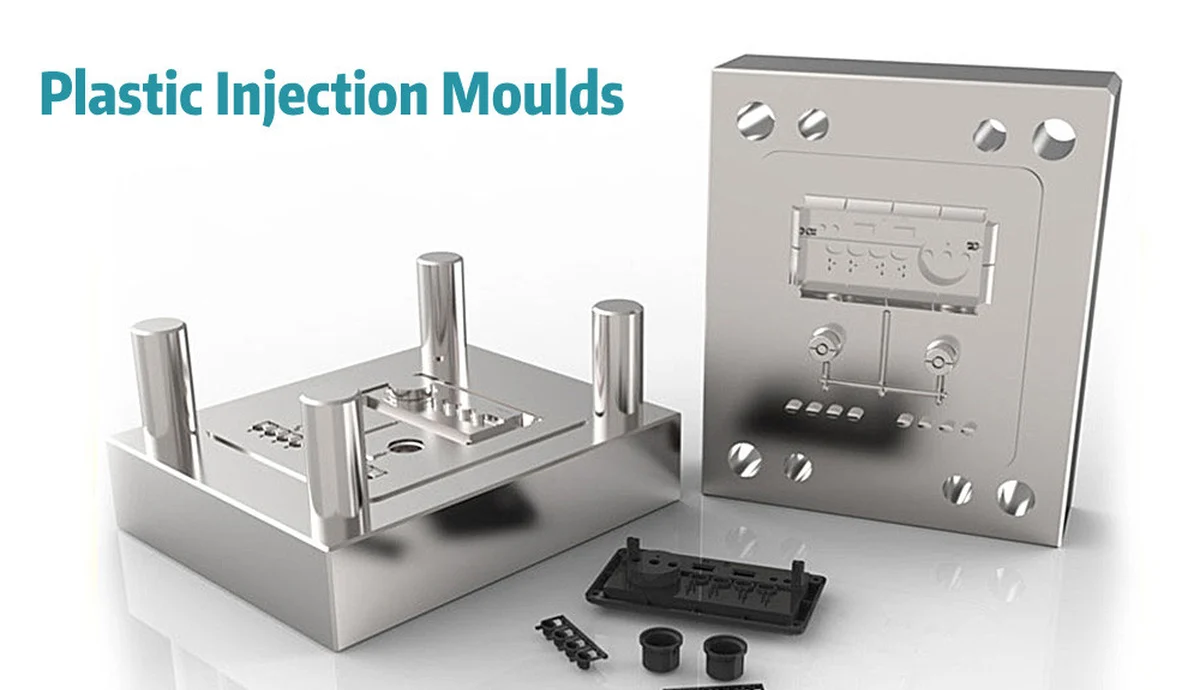
The fastest mold type for functional parts is usually a single-cavity aluminum or soft-steel mold built into a standard mold base with interchangeable inserts. Aluminum machines quickly and dissipates heat well, which shortens both build time and cycle time, and it is suitable for hundreds to thousands of parts depending on the resin. Soft or pre-hardened steel takes slightly longer to machine but is more durable and better suited to glass-filled resins or larger quantities.
Master unit die systems, in which only the cavity and core inserts are custom while the frame is shared, reduce cost and lead time further because the mold base already exists. Family molds that produce several different prototype parts in one shot can save time for small assemblies, provided the parts have similar size and wall thickness. Prototype tooling options are explained in what is rapid tooling injection molding and on the family injection molds page.
How should resin be chosen for functional prototypes?
Resin for functional prototypes should be the same grade intended for production whenever the tests depend on material behavior, because mechanical strength, flexibility, heat resistance, chemical resistance and shrinkage differ between grades. Testing a snap-fit in a substitute resin can give misleading results that require new tests later. If the production grade is not yet decided, the prototype run can include two or three candidate resins in the same mold, which turns the prototype into a material comparison.
Material availability can also determine speed. Common grades of ABS, PC, PP, PA and POM are usually available immediately, while specialty grades, custom colors or flame-retardant compounds can take one to several weeks to arrive. Confirming resin availability during quotation and ordering it on the day the mold is approved prevents the mold from waiting for material. Guidance is available in how to select the best resin for your plastic injection part.
What happens at first shots, and how can they be shortened?
At first shots, often called T1, the supplier mounts the mold, sets up the process, fills the part progressively, adjusts temperatures, pressures and cooling, and molds sample parts for inspection. Short shots, flash, sink or ejection problems are corrected by process adjustment or small mold modifications. The first samples are photographed, measured and sent to the customer, sometimes with a short video of the molding.
First shots are shorter when the mold design already included sensible gating, venting and cooling, when the resin is dried and ready, and when the customer has defined which dimensions are critical. Mold flow analysis before machining reduces the risk of fill problems on complex or thin-walled parts. Agreeing in advance which defects are acceptable on functional prototypes, for example minor gate marks on non-visible areas, avoids unnecessary rework before parts are shipped.
How should functional testing be planned to avoid extra iterations?
Functional testing should be planned before the prototype mold is ordered, so that the parts, quantities and inspection data match the tests that will be performed. A test plan lists each test, its pass criteria, the number of parts needed, any assembly partners and the measurements required beforehand. Ordering too few parts or discovering that a test requires a different color or resin forces another molding run.
Testing in parallel shortens the loop. Fit and assembly tests, mechanical tests and user evaluations can start at the same time with different sets of parts. Results should be summarized quickly in a change list with priorities, so that the supplier can assess mold modifications while the team is still testing. This approach often turns two or three sequential iteration weeks into one.
How can design iterations be made faster after the first samples?
Design iterations are faster when the prototype mold was designed with “steel-safe” changes in mind, meaning that likely modifications can be made by removing material from the mold rather than adding it. Removing metal, for example to make a wall thicker on the part or to enlarge a boss, is quick, while adding metal requires welding or new inserts. Experienced mold engineers ask which features may change and leave extra material there.
Insert-based molds also speed up iterations, because a modified insert can be machined while the rest of the mold stays unchanged. Each iteration should be documented with a revision number in CAD and on the parts, so that test results are always linked to the correct design version. Mold modification capability is described on the injection mould repair page.
Which supplier capabilities matter most for speed?
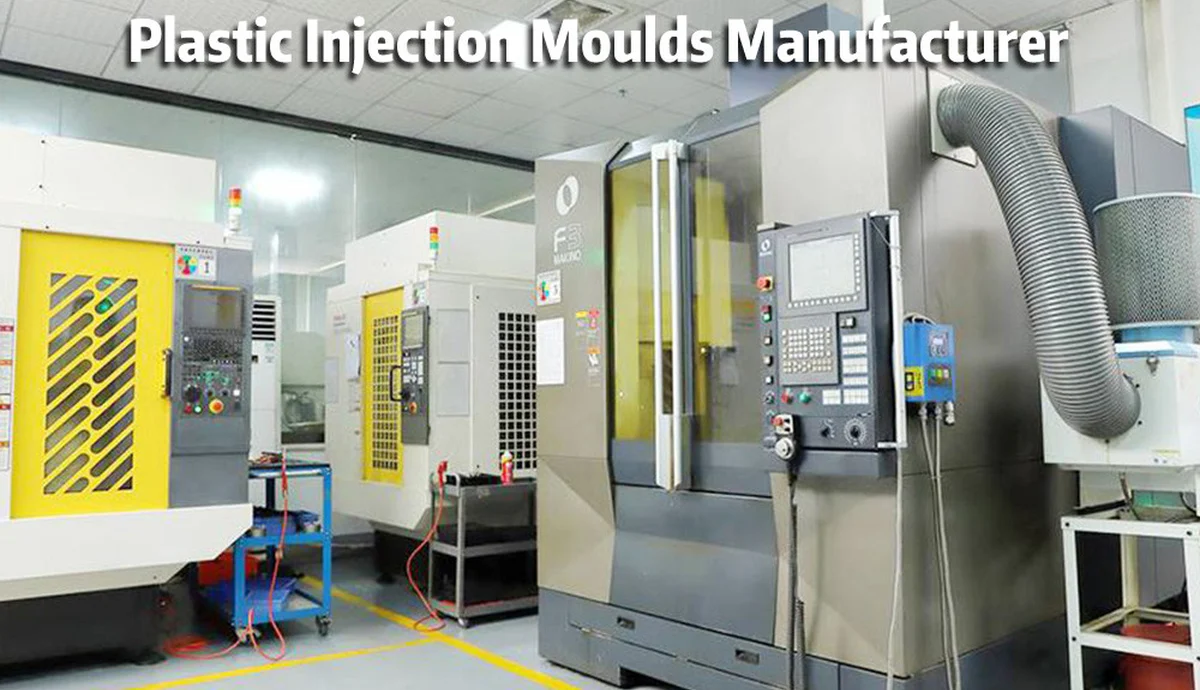
The supplier capabilities that matter most for speed are in-house mold design, in-house CNC and EDM machining, in-house molding presses, a stock of common resins, fast DFM response, and a project manager who communicates daily. A supplier that subcontracts mold machining or molding adds transport time and loses control over priorities. A supplier with idle machining capacity can start immediately, while one with full capacity puts the project in a queue.
| Capability | Why it speeds up the project | How to verify |
|---|---|---|
| In-house mold design | Fast DFM and design changes | Ask for a sample DFM report |
| In-house CNC and EDM | No subcontract waiting time | Factory tour or equipment list |
| In-house molding | First shots right after machining | Press list and tonnage range |
| Resin stock | No wait for material | Ask about common grades in stock |
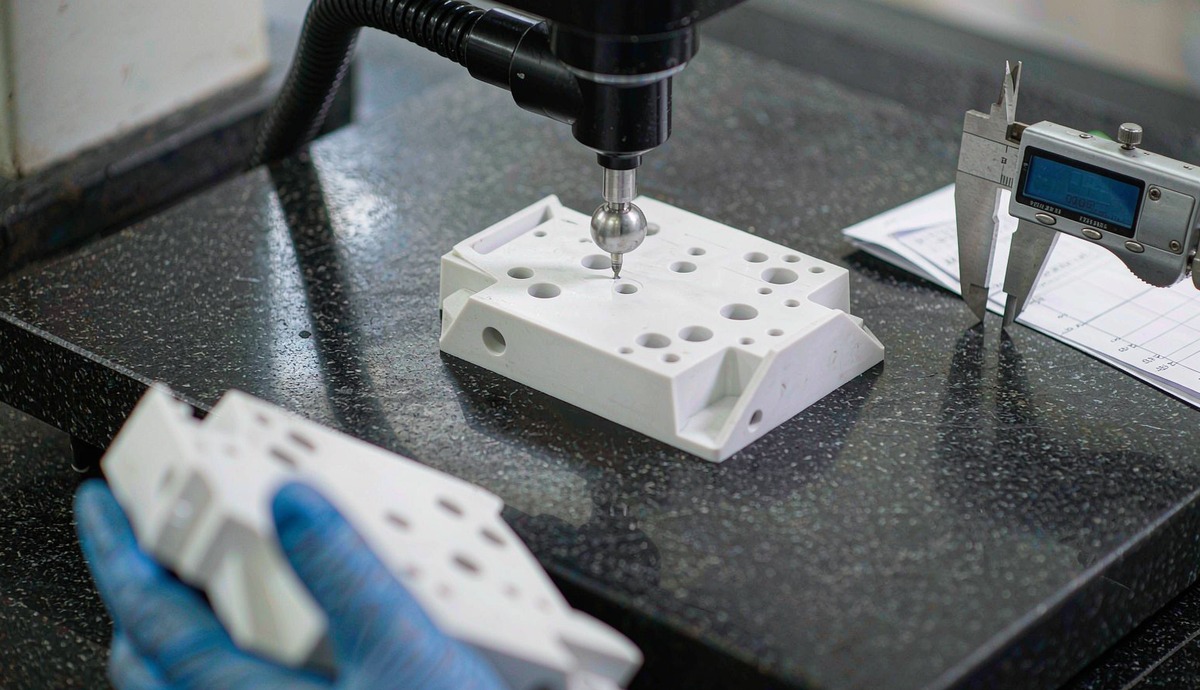
| Inspection equipment | Quick dimensional reports | CMM or vision system availability |
| Project management | Daily updates and fast decisions | Named contact and update schedule |
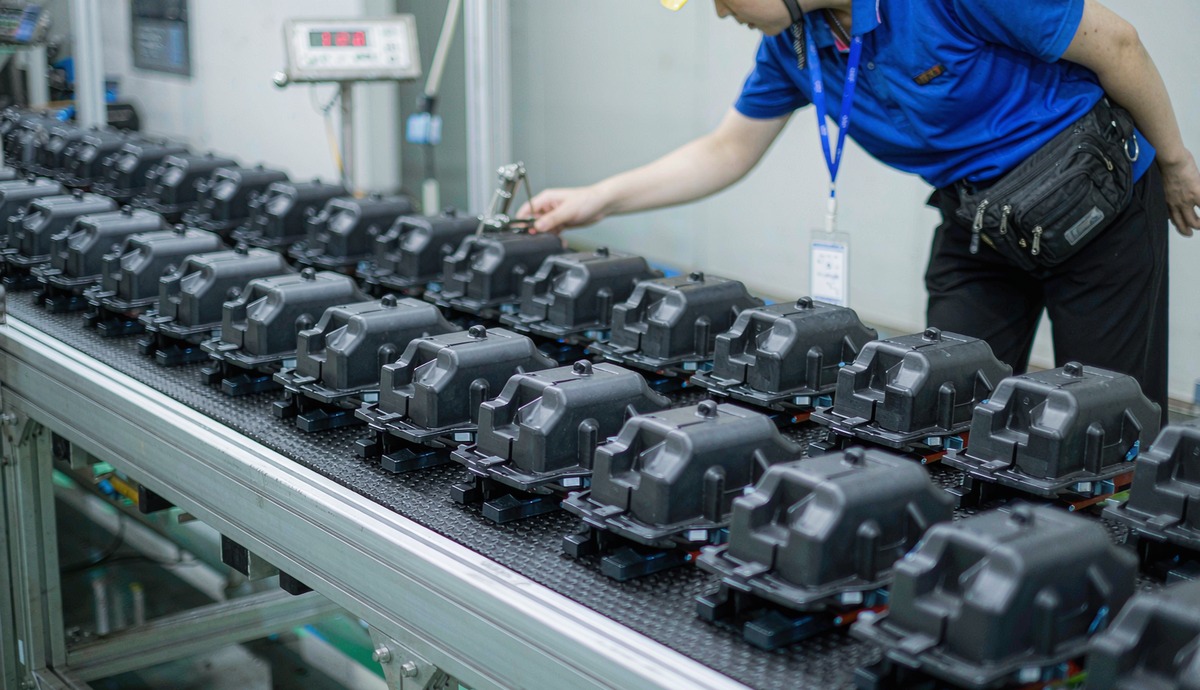
Workshop facilities are shown on the mould workshop and injection molding workshop pages.
How should communication be organized during a fast prototype project?
Communication during a fast prototype project should be short, frequent and decision-oriented. A single project contact on each side, a shared schedule with dates for DFM, design freeze, mold completion, first shots and shipment, and a daily or every-other-day update with photos of the mold and parts keep the project moving. Questions from the supplier should be answered within hours, not days, because each unanswered question can stop machining.
Time zones can be an advantage when they are used deliberately. When the supplier works while the customer sleeps, design questions sent at the end of the customer’s day can be answered by the next morning, and machining can continue overnight. Agreeing on response times and on which decisions the supplier may take independently, such as minor gate location adjustments, avoids waiting.
How does a prototype mold connect to production tooling?
A prototype mold connects to production tooling when the lessons learned from prototype molding are carried into the production mold design. Gate locations, shrinkage values, venting needs, ejection positions and design changes validated on the prototype reduce risk in the production tool and shorten its sampling. In some programs the prototype mold also serves as a bridge tool that supplies launch quantities while the multi-cavity production mold is being built.
Keeping prototype and production tooling with the same supplier preserves this knowledge and avoids a second supplier qualification. The transition from launch volumes to production is described in scaling product launches with low volume injection molding, and the economics of tooling choices in the injection molding cost guide.
What are the most common mistakes that slow prototype injection molding?
The most common mistake that slows prototype injection molding is changing the design after mold machining has started, which can stop the project for days or require new inserts. The second most common mistake is leaving material selection open until the mold is ready, which causes waiting for resin or leads to testing the wrong material.
Other frequent mistakes include sending incomplete CAD without critical dimensions, over-specifying textures and tolerances for functional prototypes, requiring production-grade steel for a few dozen parts, ignoring DFM recommendations about draft and undercuts, ordering too few parts for the planned tests, and slow internal approvals. Each mistake is avoidable with a complete starting package, quick decisions and a clear test plan.
Frequently asked questions
How fast can a prototype injection molded part be produced?
Simple parts in a straight-pull aluminum or soft-steel prototype mold can often reach first shots in about one to three weeks after design approval. Parts with side actions, fine textures or specialty resins take longer.
How many parts can a prototype mold produce?
An aluminum prototype mold typically produces from several hundred to several thousand parts, depending on resin, part geometry and mold design. Soft or pre-hardened steel molds last longer and suit larger quantities or abrasive resins.
Can prototype parts be made in the production resin?
Yes. Prototype molds can usually run the same resin grade intended for production, which makes functional test results more reliable. Specialty grades should be confirmed for availability early to avoid delays.
Is DFM necessary for prototype molds?
DFM is especially important for prototype molds because it identifies features that would slow mold building or cause molding defects. A short DFM review usually saves more time than it takes.
Can the prototype mold be modified after testing?
Prototype molds can usually be modified, particularly when insert-based designs and steel-safe dimensions are used. Removing material from the mold is quick, while adding material requires welding or new inserts.
Get functional prototype parts fast with DJmolding
DJmolding supports product teams from CAD review to functional molded parts with in-house mold design, mold manufacturing, CNC machining, prototype and low volume injection molding, and inspection under our quality control system. We review designs quickly, recommend changes that shorten lead time, mold parts in production-grade resins and carry the lessons into production tooling when your product is ready to scale.
Ready to turn your CAD into functional parts? Upload your 3D files, drawings, material, quantity and target date through the DJmolding contact page. Our engineers will send a DFM review, a prototype tooling proposal and a schedule to first shots, so your team can start testing as soon as possible. Product developers, startups and OEM engineering teams are welcome to request a quote.
