

Top 10 LSR Injection Molding Manufacturers in China
Quick answer: A China-based liquid silicone rubber (LSR) injection molder should be shortlisted for a specific part, not because it appears high on a generic supplier list. The ten companies below publicly describe LSR molding of finished components, and DJmolding is included as one candidate. This is an unranked editorial shortlist, not an audited performance ranking. A B2B buyer should compare the same drawing, material grade, annual volume, critical dimensions, tooling plan, validation requirements and evidence of in-house molding across every candidate.
The scope is deliberately narrow. LSR compound producers sell raw material, machine builders sell presses and some toolmakers sell molds without molding production. Those firms can be important partners, but they are not interchangeable with a supplier responsible for finished LSR parts. Public websites establish a reason to ask for a quotation; they do not prove available capacity, medical-device suitability, current certificates or performance on your part. This article was prepared by DJmolding, so DJmolding’s inclusion is disclosed and must be evaluated by the same criteria as the other nine.
How were these ten LSR injection molders selected?
Each company has a publicly accessible page identifying liquid silicone rubber injection molding as a manufacturing service and identifying a China production presence. The list favors different project types, including precision tooling, multi-material overmolding, medical-oriented production and general industrial components. Company order is editorial rather than a claim of market share, price, quality or ranking. For any regulated end use, buyers must still verify the legal factory, certificate scope, exact grade, production route and finished-part obligations.
Existing DJmolding articles explain how LSR injection molding works and compare general injection mold toolmakers in China. This article serves a different decision: identifying potential suppliers of molded LSR components and qualifying their part-specific process. It avoids repeating a general process tutorial or treating a mold-only provider as a complete-part supplier.
Ten LSR injection molding manufacturers in China
1. DJmolding
DJmolding’s LSR service page identifies liquid silicone rubber injection molding and molded silicone parts alongside its plastic tooling and molding services. This combination makes DJmolding a candidate when a project also needs plastic components, inserts or assembly planning. The service page is not a substitute for a process audit: ask which proposed mold, press, material handling route, inspection method and production site would be used for your part. DJmolding is the publisher of this guide and receives no preferential score in the comparison framework below.
2. Hongrita
Hongrita describes Chinese factories in Shenzhen and Zhongshan and identifies LSR and multi-component molding as core capabilities. Its published tooling examples include LSR and thermoplastic-plus-LSR structures, making the firm a logical candidate for complex interfaces or high-cavity tools. A buyer should request a comparable part case, the actual production plant, cavity-specific inspection data and the boundary between in-house tooling, process equipment and subcontracted work.
3. NEWTOP SILICONE
NEWTOP SILICONE’s capability page describes LSR and multi-shot molding in China with controlled-production options. It may be relevant for product teams that need to compare ordinary automated production with a specified cleanroom process. Ask for the certified facility and cleanroom classification applicable to the quoted project; a website statement about a controlled environment does not itself qualify a finished part for medical or other regulated use.
4. Baiwe Silicone
Baiwe Silicone publishes a dedicated LSR injection molding service and references silicone-part production in China. It is a candidate for buyers comparing custom molded components and potential cleanroom requirements. Request evidence that the specific part will be injection molded rather than compression molded, along with tooling ownership, material batch records, post-cure controls if needed and finished-part inspection criteria.
5. Hongju Silicone
Hongju Silicone’s liquid injection molding page describes the process used for LSR components and the company identifies custom silicone molding among its services. It may fit buyers who want to compare seals, gaskets or other elastomer parts across process routes. Ask which quoted geometries will use LSR injection, which will use compression, and how differences in flash, dimensional control and post-processing affect the delivered price.
6. Yijiang Technology
Yijiang Technology’s injection molding capability page includes LSR molding within a broader manufacturing portfolio. That may suit projects combining a silicone component with a machined or thermoplastic part. Buyers should confirm where the LSR equipment operates, whether the project requires separate suppliers for compound and tooling, and how first-article acceptance will cover each material and the assembled interface.
7. Melon Rubber & Plastic
Melon’s LSR service page identifies liquid silicone injection, insert molding, overmolding and toolmaking in Zhongshan. It is a candidate for flexible component projects where tool design and part molding need close coordination. Request a representative mold layout, meter-mix and press details, cavity balance evidence and the dimensional capability that matters to the specific drawing rather than accepting a general tolerance promise.
8. Derui Silicone Technology
Derui Silicone Technology describes Guangzhou-based LSR mold engineering, injection molding and finished-goods work. Its published range includes medical, baby-care, automotive and electronic applications. The buyer’s next step is to identify the exact production line and ask which material, cleanliness, packaging and traceability controls apply to the intended use; a broad application list is not proof that every line is qualified for every sector.
9. World Strong Rubber
World Strong Rubber identifies Dongguan manufacturing and LSR injection alongside tooling, silicone and plastic processes. It may be useful for programs with a molded silicone element plus adjacent plastic work. Ask for a production-flow map showing material receipt, mixing, molding, post-cure where specified, inspection and packaging, and verify the scope and current status of any quality-system certificates the firm proposes to rely on.
10. Dongguan Tongsheng Electronic Technology
Tongsheng’s LSR buyer guide describes its in-house tooling, compression molding and liquid silicone injection molding in Dongguan. This mix makes Tongsheng a candidate when a product team is still deciding whether LSR injection is economically justified over compression molding. Ask it to quote both routes on the same part drawing and volume assumptions, with separate tooling, finishing, inspection and scrap provisions.
How do LSR suppliers differ from silicone material and machine suppliers?
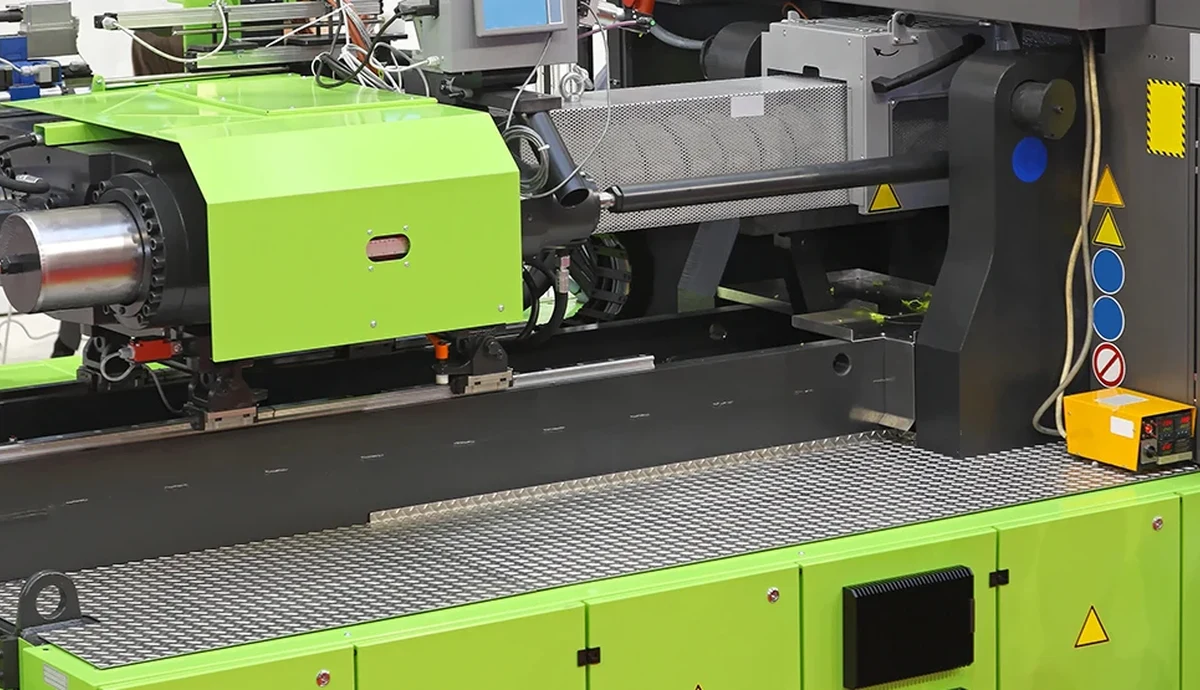
A material producer specifies and supplies the two-part silicone formulation. A machine supplier provides the press, metering, mixing or control equipment. A toolmaker designs and builds the mold. The finished-part molder integrates those inputs, establishes the molding process, inspects output and delivers traceable parts. One company can perform several roles, but the buyer must identify who is accountable for each role in the contract.
Confusion between roles creates false comparisons. A cheap quote for a mold alone does not include production validation, and a raw-material certificate does not show that the molded gasket will seal. Ask every candidate for a responsibility matrix: who owns the mold design, buys LSR grade A and B, maintains equipment, approves color concentrate, performs post-cure, measures critical features, stores retained samples and handles complaints. A supplier that outsources a step can still be viable when the subcontractor and controls are disclosed.
What should a buyer send to every manufacturer?
A comparable request for quotation starts with one revision-controlled 3D model and a 2D drawing identifying datums, critical features, inspection methods and cosmetic zones. Include intended function, mating parts, operating temperature, fluid or chemical exposure, color, nominal hardness, expected annual and initial volumes, packaging, destination market and any required material or process evidence. State whether the project is a prototype, pilot or production release.
For seals, specify the mating geometry, compression range, expected pressure and leak-test method. For a keypad, specify actuation force, return behavior, life cycles, tactile target and appearance. For a medical or body-contact component, state contact type and duration, sterilization route if any, cleanliness and traceability needs. “Medical grade silicone” is not an adequate specification; the material grade and the finished device’s intended use determine which evidence is relevant.
Ask each manufacturer to return the same fields: legal production entity, factory address, proposed grade, mold concept, cavities, press and meter-mix arrangement, cycle-time assumption, inspection plan, tooling cost, unit price at several volumes, lead-time assumptions and ownership terms. Place unanswered fields in a separate column rather than treating silence as agreement. A comparison is only fair if every offer is based on the same revision and commercial terms.
Which LSR process controls matter most?
LSR is generally supplied as two liquid components that are metered and mixed before entering a heated tool. Incomplete mixing, ratio drift, contamination, temperature variation or poor venting can create defects even when a first sample looks acceptable. Ask how the factory records component lots, mix ratio, material age, mold temperature, injection settings and startup approval. The purpose is not to demand identical settings from every molder; it is to verify that each supplier knows and controls its validated window.
Tooling details affect both quality and cost. Review gate and vent locations, parting line, cold-runner strategy, cavity count, de-molding method, flash-sensitive edges and cleanability of the tool. A multi-cavity mold can lower unit cost only if the cavities fill, cure and release consistently. Request cavity identification on samples and inspection reports so a good average does not conceal one weak cavity. The buyer should also define whether minor flash is acceptable and where.
Secondary operations need separate control. Some projects require post-cure, trimming, washing, assembly or controlled packaging; others do not. Ask why each operation is necessary, where it occurs and how its effect is verified. If post-cure is specified for volatile reduction or a particular material property, record time, temperature and lot traceability. A supplier should not add or omit a step solely because it is convenient.
How should an LSR mold and production trial be approved?
Tool approval should be tied to measurable part evidence rather than the statement that a mold is finished. Before steel cutting, approve a DFM report that identifies material shrinkage assumptions, parting line, gates, vents, draft or flexible release strategy, inserts, ejection, cavity count and features likely to distort. The review should highlight dimensions that cross the parting line and surfaces that must remain free of flash.
The first trial should report the actual grade, color, lot, press, mold revision, cavities and settings used. Ask for dimensional results by cavity on critical features, photographs of cosmetic zones, functional tests and a list of deviations. A single attractive sample may be from a nonrepresentative cavity or hand-finished. Require the supplier to identify any manual trimming or sorting performed before the samples were sent.
Production release follows a pilot run under intended staffing, equipment and inspection conditions. The pilot should demonstrate stable cycle time, acceptable scrap, repeatability across cavities, packaging and lot identification. Approve a golden sample and a controlled specification only after issues are closed. The buyer should also know what changes trigger reapproval: grade, catalyst system, colorant, mold insert, press, site, post-cure or inspection method.
How can regulated projects avoid overstated compliance claims?
Quality-system certification and product approval answer different questions. A factory’s ISO 9001 or ISO 13485 certificate can describe a management system within its stated scope, but it does not automatically approve a particular LSR part for implantation, food contact, infant use or a medical device. Ask for the certificate’s legal entity, site, current validity and scope, then identify the material and finished-part evidence your product requires.
A material supplier’s test data is useful but not a replacement for part validation. Processing, colorants, substrate contact, post-cure and packaging can affect the finished article. For medical-device programs, the device manufacturer normally defines intended use, risk management and biological evaluation needs. For automotive programs, part-specific controls may include drawing characteristics, production approval, traceability and change notification. The molder should provide evidence it can actually generate, not imply that one generic certificate covers every program.
Cleanroom claims should be precise. Ask which line and operations occur in a controlled area, whether classification is documented, what monitoring is performed and where packaging happens. A cleanroom production statement does not mean the parts are sterile. Confirm whether the project needs particle control, microbial control, cleaning, sterile packaging or none of these, because each implies a different process and cost.
How should tooling ownership and price be compared?
The lowest piece price can hide a more expensive tool, high minimum order, secondary sorting or a weak spare-insert plan. Request separate prices for mold design and build, sampling, validation, optional post-cure, packaging and production at several annual volumes. Show the assumed cavity count and cycle time. A comparison of unit price without these assumptions can reward an unrealistic quote.
The tooling agreement should identify legal owner, storage site, asset number, included CAD data, maintenance responsibility, expected life, spare inserts, repair authorization and transfer procedure. If the buyer funds the tool, clarify whether transfer is possible after payment and what fees or data restrictions apply. If the supplier owns it, understand the risks to continuity and exclusivity. The mold-tooling shortlist covers broader toolmaker evaluation; LSR adds material handling, cure and release issues to that checklist.
Use a total-cost view over the expected program life. Add tooling amortization, expected scrap, inspection, post-processing, freight, defect returns and engineering changes to the quoted unit price. For a low-volume project, compression molding may be more economic even if the eventual production design favors LSR injection. A supplier should be willing to explain the crossover using your geometry and volumes, not a universal threshold.
What should a factory audit verify beyond a showroom?
Follow one active LSR part through material receipt, lot identification, storage, metering, mixing, molding, tool maintenance, inspection and shipment. Ask the operator and quality inspector to explain the actual job sheet and response to a process alarm. A factory tour is more informative when it tests traceability and decision-making than when it counts machines.
Inspect the tool room for revision control, mold-maintenance records, critical spare inserts and the ability to correct a cavity defect. Inspect metrology for instruments appropriate to soft flexible parts: fixture and measurement force can change a reported dimension. Ask how the supplier checks small sealing lips, flash, voids, compression set or optical features when those affect the product’s function. Our high-precision molder audit guide provides a general audit structure; add LSR-specific checks for meter-mix equipment, cure and post-cure.
Run a traceability drill on a shipped lot. The factory should identify the material lots, mold, press, process revision, operators, inspection results and any rework. Then sample a recent nonconformance: how was suspect stock contained, who approved the disposition and what prevented recurrence? A claimed quality system matters most when it can rapidly narrow an affected lot and show an effective corrective action.
What warning signs should stop a shortlist candidate?
A supplier should not advance to tooling payment if it cannot identify the legal factory and production site, describe the proposed molding route, supply a material grade, or agree on acceptance criteria. Other warning signs include a quote based on a different drawing revision, refusal to disclose subcontracted molding, generic certificates that do not match the entity, and a promise of a universal tolerance without reference to part size and measurement method.
Not every open question is a rejection. A new product may legitimately require trials to establish cure time, cavity count or achievable tolerance. The important distinction is whether the supplier states the uncertainty and proposes a test. A credible response identifies assumptions, risks and decision gates. An implausibly complete promise before DFM can be riskier than a qualified proposal with a clear trial plan.
What is a defensible shortlist-to-order process?
- Define the product. Lock the drawing revision, intended use, grade attributes, volume range and critical-to-function characteristics.
- Screen the ten candidates. Verify finished-part LSR molding, China production site, relevant part experience and capacity for the requested schedule.
- Request one comparable proposal. Ask for tooling concept, grade, process route, inspection, commercial assumptions and exclusions.
- Review DFM and samples. Examine cavity-level data, functional tests, flash, appearance and any hand finishing.
- Audit and pilot. Trace an active lot, confirm controls and test the process under intended production conditions.
- Release and monitor. Approve a golden sample, change rules, tool ownership and periodic quality evidence before repeat orders.
This process does not guarantee that one of the ten names will be right for every project. It gives buyers a repeatable way to compare a technically diverse supplier pool. A high-cavity medical component, a simple industrial gasket and a plastic-LSR overmold have different failure modes and may lead to different suppliers even when their headline process is the same.
Frequently asked questions
Is an LSR material supplier the same as an LSR parts manufacturer?
No. The material supplier provides a formulated two-component compound and supporting data. A finished-parts manufacturer establishes tooling and process conditions, molds the component, inspects it and controls shipment. Some organizations do both, but the buyer should identify the responsible entity for the specific order.
Does a cleanroom claim mean the molded part is sterile?
No. A cleanroom controls specified environmental conditions; sterility requires an appropriate validated sterilization and packaging process. Ask which operations take place in the controlled room and what evidence supports the finished-part requirement. Do not convert a facility claim into a product claim.
Can a factory quote LSR and compression molding for the same part?
Often yes, if the geometry suits both processes. The alternatives can differ in mold investment, cycle time, flash, finishing labor and dimensional control. Quote both against the same drawing, volume and inspection plan to identify the true economic crossover for the project.
Which documents should accompany a first production lot?
The required package depends on the contract and application, but a useful baseline includes approved drawing revision, material lot traceability, first-article or pilot results, critical-dimension inspection, certificate of conformity where agreed, packing records and a record of approved deviations. A regulated project may require additional validation and testing defined by the product owner.
Discuss an LSR molding project with DJmolding
DJmolding supports custom molding and tooling projects for B2B customers. If you are sourcing an LSR component, share your 2D and 3D drawings, intended function, material or hardness target, annual volume, critical dimensions and required documentation. DJmolding can review the proposed manufacturing route, tooling questions and sample plan against your actual part instead of offering a generic supplier claim. Explore the LSR molding capability and contact the team to request a DFM discussion and B2B quotation.
