

Injection Mold Buying Guide: 12 Questions to Ask Before You Order a Tool
Before ordering an injection mold, ask the toolmaker twelve questions that define the part, tool, trial, acceptance and ownership in writing. The answers should appear in a controlled quotation, design approval package and tooling agreement. A low tooling price is useful only when it buys a mold that can produce the required part at the planned volume, quality and delivery rate.
This guide is for B2B product teams purchasing a new plastic injection mold, whether the supplier will ship the tool or retain it to mold parts. It focuses on decisions that must be settled before a purchase order, then identifies what evidence should be delivered at each project gate. For a detailed explanation of part geometry, use the separate injection molding DFM guide; the questions below turn that engineering work into a buying decision.
The 12 questions to ask before ordering an injection mold
| Question | Written answer or evidence to request | Decision it controls |
|---|---|---|
| 1. Which part revision is being quoted? | CAD, drawing, specification and revision list | Prevents quotes for different products |
| 2. Which resin and production demand define the tool? | Approved grade, forecast, program life and shot estimate | Sets shrinkage, wear and capacity assumptions |
| 3. What did the DFM review find? | Annotated report and disposition log | Resolves moldability before cutting steel |
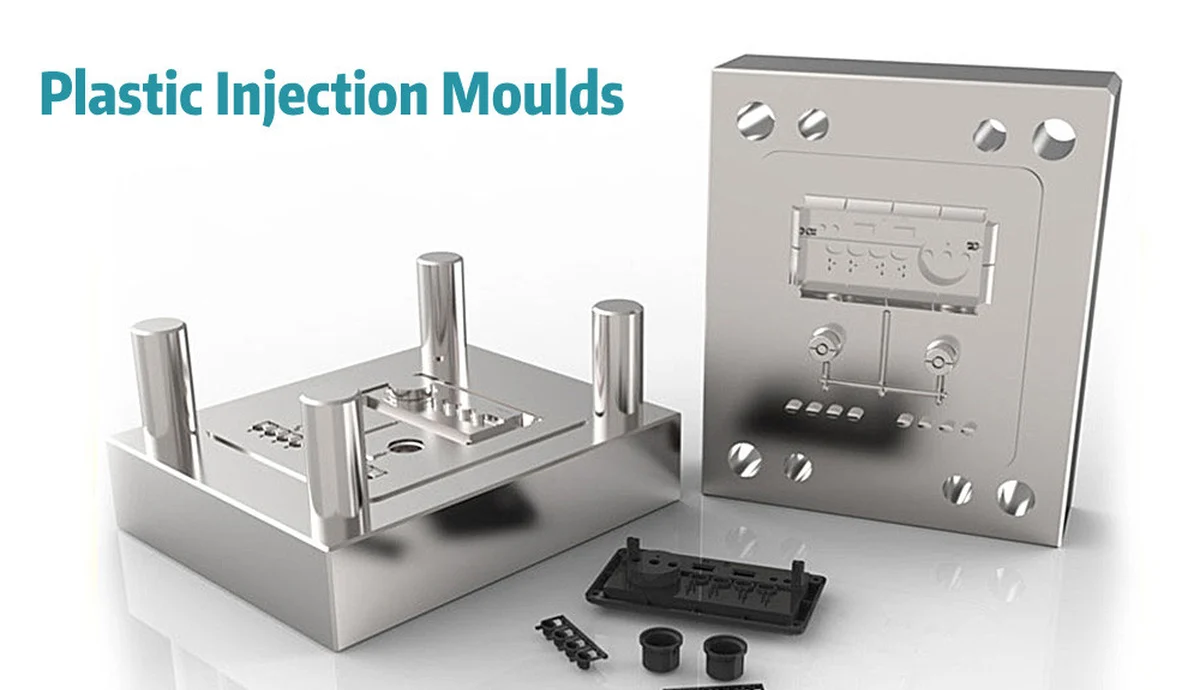
| 4. What mold architecture is proposed? | Layout, cavities, runner, gate, actions and press envelope | Connects tool price to part cost and quality |
| 5. What construction and life are included? | Steel and component schedule, maintenance basis | Matches durability to demand |
| 6. Who designs, builds and trials the mold? | Manufacturing route, subcontractors and trial site | Reveals handoffs and schedule dependencies |
| 7. What is included in the tooling price? | Itemized scope, exclusions and change rules | Prevents hidden charges |
| 8. When will each milestone occur? | Schedule with approval gates and owners | Distinguishes design time from machining time |
| 9. What will T1 and later trials deliver? | Samples, process settings and issue log | Enables evidence-based corrections |
| 10. How will the mold and parts be accepted? | Measurement, visual, functional and run criteria | Defines release before payment or shipment |
| 11. Who owns, maintains and can move the mold? | Ownership, storage and transfer agreement | Protects continuity and asset rights |
| 12. What documents and support come after approval? | Tool file, spares, maintenance and change records | Enables repeat orders and future transfer |
1. Which exact part revision is the supplier quoting?
An injection mold quotation should identify the approved 3D model, 2D drawing, part number and revision. The drawing should identify critical dimensions, datums, appearance surfaces, assembly interfaces, texture and any product-specific test. Without a common baseline, two suppliers can submit attractive prices for different assumptions and still appear comparable.
Ask whether the supplier found conflicts between the CAD model and drawing. A nominal dimension in CAD may differ from a drawing tolerance, and a textured surface may need more draft than the model currently provides. Record the question and agreed answer in a revision-controlled issue log. The toolmaker should not quietly select the easier interpretation because that choice can move a gate, parting line or critical dimension.
For an early-stage product, separate a quotation revision from a tooling-release revision. The buyer may request budget pricing from preliminary CAD, but the order should state which open details must be closed before mold design and steel cutting. This prevents a preliminary estimate from becoming an accidental authorization to manufacture a tool around unfinished geometry.
2. Which resin and production demand define the mold?
The proposed resin must be more precise than a broad family such as ABS or polypropylene. State the grade, producer or approved equivalent, filler, color system and any functional requirement that controls selection. Different grades can flow, shrink and wear tooling differently. A later resin substitution may change dimensions or cycle time even when the polymer family name remains the same.
The production plan should state annual demand, expected program life, initial order size and likely demand range. A tool for a few thousand prototype parts has a different cost and maintenance logic from a tool expected to make several million saleable parts. Ask the supplier to calculate total shots, accounting for cavity count, expected scrap, trials and service parts. A mold-life claim should specify its resin, maintenance assumptions and what constitutes the end of useful life.
Demand uncertainty can justify a staged approach: begin with a simpler tool to validate the product, then invest in a higher-output production mold after sales and design stabilize. The cheaper initial tool may cost more per part, but it can avoid committing to multiple cavities before the part is proven. The early cost and ROI guide helps compare those scenarios.
3. What does the design for manufacturability review change?
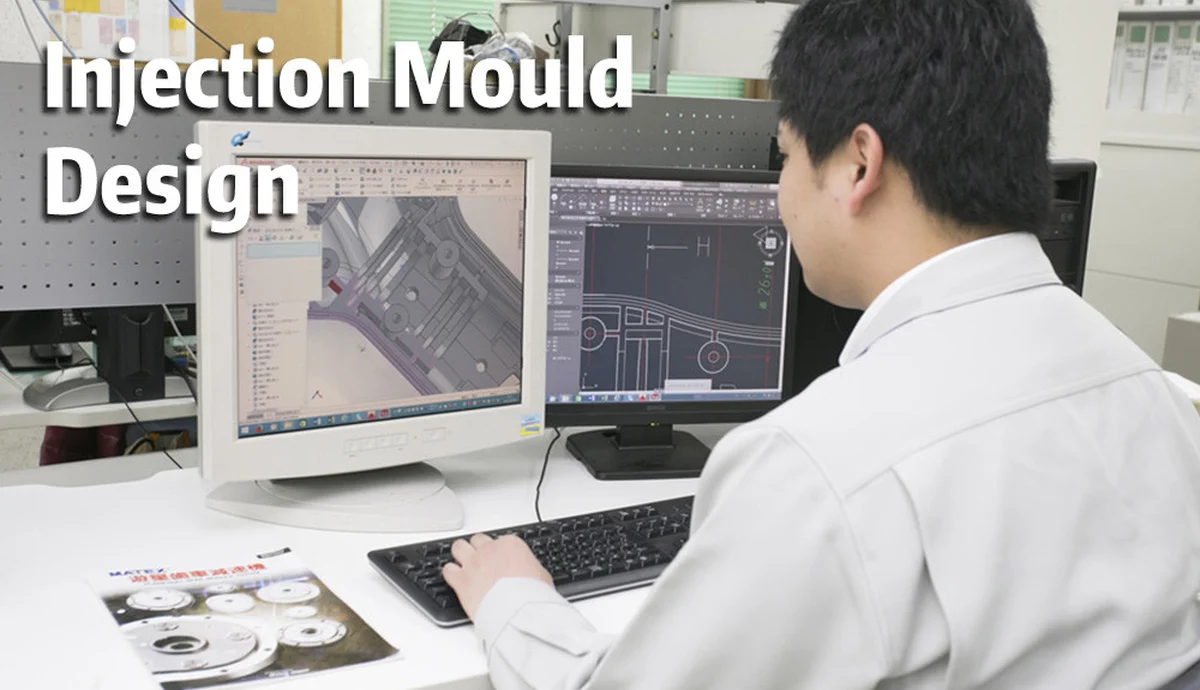
A useful DFM review shows the part-specific risks, a proposed change and who approves the decision. Ask for an annotated analysis of wall transitions, draft, ribs, bosses, undercuts, parting line, gate, weld lines, venting, ejection, shrinkage and likely warpage. A generic statement that the design is moldable does not tell the buyer which visible marks or dimensional compromises the finished part may contain.
Require a disposition for each open issue: change the part, adjust the tool concept, test the risk during trials or accept a documented limitation. For example, an undercut may be removed by a small geometry change, or retained with a slide that adds cost and maintenance. A cosmetic gate mark may be moved to a hidden face, but the new location could worsen flow or assembly fit. The report should explain these tradeoffs rather than present one isolated recommendation.
Some projects warrant mold-flow analysis, especially long-flow thin walls, multiple gates, tight cosmetic demands or uncertain weld-line positions. Simulation can inform a gate and cooling proposal, but it does not prove a final part will pass. Ask which material data and process assumptions were used, which predictions will be checked at T1, and how differences will be resolved. Approve the DFM disposition before detailed mold design is released.
4. What mold architecture is included in the quote?
The quotation should describe cavity count, mold-base size, parting strategy, gate location, runner type, cooling approach, ejection, inserts, slides, lifters and other mechanisms. These are not minor details. A single-cavity cold-runner tool and a four-cavity hot-runner tool can produce the same part, but their capital cost, resin waste, cycle economics and maintenance needs differ substantially.
Ask why the selected cavity count suits the forecast and expected press. More cavities can reduce the molding cost per part, yet an unbalanced tool may create cavity-to-cavity variation or require a larger press. A family mold that combines different parts can save a tool base, but parts with different fill volumes or demand rates may be difficult to balance. The supplier should state the assumptions behind expected cycle time and saleable output.
Confirm physical compatibility with the intended molding machines: tie-bar spacing, mold height, platen mounting, daylight, ejector interface, shot capacity, clamp force, nozzle and any hot-runner controller or auxiliary equipment. A tool that runs only on one unusual press limits transfer options. Where portability matters, include interface drawings and an agreed machine envelope in the design package.
5. Which steel, components and mold life are included?
Ask for a schedule identifying cavity and core materials, mold base, slides, wear surfaces, ejectors, hot-runner parts and critical standard components. The right construction depends on resin, filler, corrosion exposure, texture, tolerance, run volume and maintenance plan. A glass-filled material can abrade tooling faster than an unfilled grade; a corrosive or moisture-sensitive material may require a different surface or steel strategy.
Steel names alone are insufficient. Ask for the agreed heat treatment, hardness range where relevant, surface treatment, material certificate and replacement strategy for wear items. For a quoted shot life, define what normal maintenance is included and which repairs count as major refurbishment. A mold that reaches its quoted shot count only after frequent insert replacement may have a very different lifetime cost from one with a higher initial price.
Prototype aluminum, prehardened steel and hardened production steel each have a place. Select construction for the economic life of the project instead of assuming that the hardest steel is always necessary. If future demand is uncertain, ask whether the tool design permits later insert replacement or added cavities and what that option would cost.
6. Who will design, machine, assemble and trial the mold?
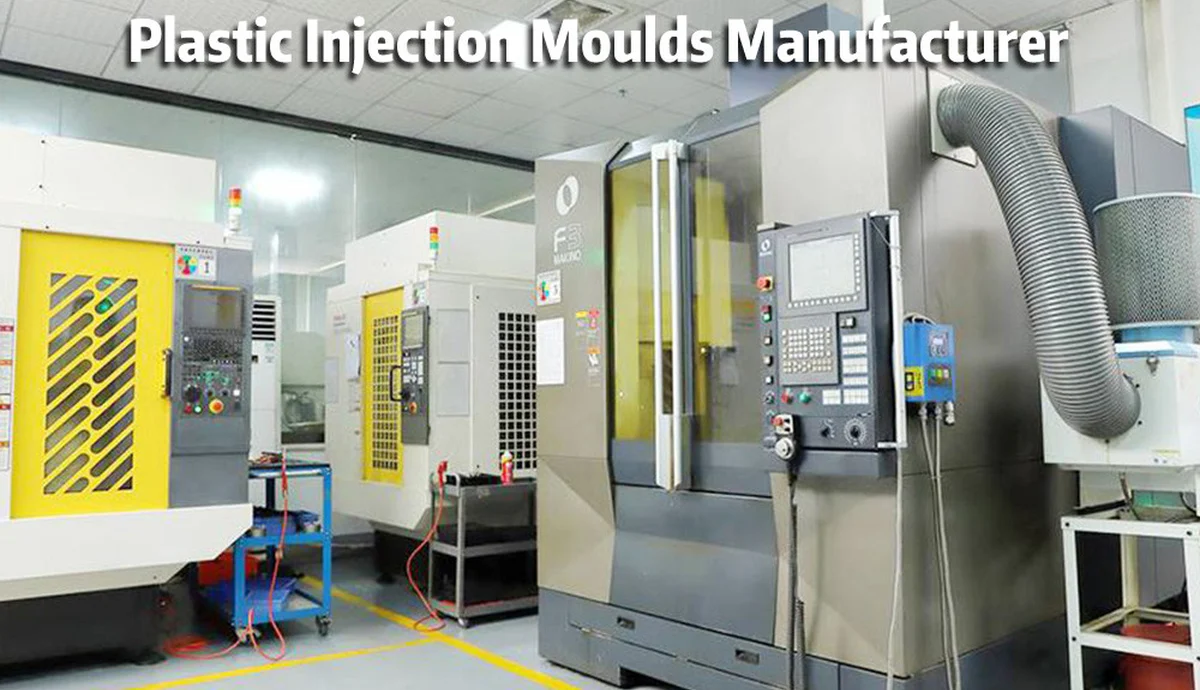
The buyer should know the legal supplier, actual toolmaking site, molding trial site and any subcontracted operations. Outsourcing an operation can be perfectly workable, but it changes scheduling and accountability. Ask which team owns mold design, CNC machining, EDM, polishing, texturing, heat treatment, assembly, process development and dimensional inspection.
Request a project-specific route rather than a gallery of machines. The supplier should show that available equipment can machine the proposed mold size and features, and that its trial press can reproduce the intended production conditions. If final parts will be molded at a different plant, a successful trial at the tool shop is an intermediate gate, not a final validation of the production process.
When a capability is subcontracted, agree who approves the subcontractor, checks incoming work, resolves defects and absorbs schedule impact from rework. A named project manager should maintain one issue log and one current design package. The supplier audit guide provides deeper questions for high-precision programs.
7. What exactly is included in the tooling price?
A mold quote should separate tooling from molded-part pricing and list inclusions and exclusions. Confirm DFM, mold-flow work if requested, design drawings, hot runner and controller, texture or polishing, sample quantity, trial rounds, dimensional reports, shipping case, export preparation, taxes and freight. A line-item comparison often explains a large price difference better than a percentage discount does.
Ask which corrections are included after T1. A supplier-caused tool error, a buyer-requested geometry change and an unresolved design assumption are different cases. The agreement should define who pays for each, who authorizes work, and whether a correction changes the schedule. Do not rely on a verbal promise that every change is included, because the boundary will become contentious after the mold has been machined.
Compare the total project cost at the planned volume. Include tooling, part price, expected runner waste, secondary operations, inspection, packaging, freight, duties, maintenance and likely spare parts. The eight tooling price factors explain why two molds for apparently similar parts may have very different quotes.
8. What is the schedule from order to approved production?
Ask for a dated schedule with owner and output for each stage: final RFQ clarification, DFM closure, mold-design review, authorization to cut steel, machining, assembly, T1, measurement, corrections, T2 if needed and production release. A quoted “tooling lead time” may stop at the first trial rather than at approved parts. The commercial launch date depends on which event the supplier has promised.
Separate supplier work from buyer review time. If the buyer needs five working days to approve DFM and another week to inspect T1 parts, those periods belong in the plan. Identify long-lead steel, hot-runner parts, texture and special components early. A realistic critical path gives a more useful delivery commitment than a single optimistic number.
Connect payments to objective deliverables rather than calendar dates alone. A deposit can authorize work, while later milestones can require approved design, measured samples and an agreed final acceptance package. The exact payment structure is a commercial decision, but the evidence needed to trigger each payment should be stated before the purchase order.
9. What will the first mold trial deliver?
T1 is the first structured trial of the assembled mold. Ask how many parts will be molded, from which cavities, using which resin grade and press, after what stabilization period and under what documented settings. A photograph of a good-looking sample cannot show dimensional consistency, process stability or whether every cavity fills acceptably.
The T1 package should include representative labeled samples, a dimensional report against the controlled drawing, material identity, process settings, visual observations, mold-running evidence where useful, and a list of defects or open risks. For multiple cavities, identify the cavity on samples and measurements. A failure in one cavity should not be hidden by a passing average across all cavities.
Agree how trial issues will be classified and closed. Tool steel changes, process tuning, resin or color changes and drawing concessions have different approval consequences. If a dimension is steel-safe, the supplier may have intentionally left material for adjustment; the T1 report should state that plan. A second trial should test the corrective action and avoid silently changing unrelated conditions.
10. How will the mold and molded parts be accepted?
Acceptance criteria should be agreed before T1, not invented after samples arrive. Define dimensional characteristics, measurement datums and methods, sample conditioning, cosmetic zones, color, texture, gate vestige, flash, sink, warp, assembly fit and functional tests. An approved sample can supplement the written specification, but it should not replace measurable requirements for critical features.
A first-article report demonstrates sampled dimensions at a stated condition; it does not by itself establish stable long-term production. For high-volume or critical parts, consider a defined run at rate with cavity-level data, process window, yield and capability evidence. Use the appropriate level for the part’s risk and customer requirements. A tool can pass its first shots yet fail to hold output over a production shift.
Distinguish tool acceptance from production-part release. A buyer receiving a shipped mold may accept its construction and trial package, then revalidate the mold on the destination press. A buyer purchasing molded parts may require pilot production, packaging and shipment approval at the supplier’s plant. The contract should state which gate releases the final tooling payment and which gate authorizes recurring part orders.
11. Who owns the tool, and how can it be transferred?
The tooling agreement should identify the physical mold by part number and unique asset ID, its owner, storage address, insurance responsibility, maintenance duty and conditions for release. Payment of a tooling invoice alone may leave practical ownership questions unresolved. If the mold is customer-owned, specify how it will be marked and inventoried and whether the supplier may use it for any other customer.
Define the transfer package before a transfer is needed. It can include the tool, spare inserts and wear parts, native and neutral CAD, mold drawings, cooling and electrical diagrams, hot-runner documentation, process history, maintenance log, approved sample and inspection records. State notice period, reasonable preparation charges, freight responsibility and access to the asset during a dispute or supplier closure.
Portability has technical limits. A tool may need different hoses, controller connectors, robot interfaces or process adjustments on a new press. Ask the supplier to identify those interfaces and any proprietary components now. Transfer rights protect business continuity only when the receiving factory can run, repair and measure the mold. The OEM supply continuity guide expands on this planning.
12. What documentation and support follow final approval?
A finished injection mold should arrive with an organized technical file, not just a crate and a set of samples. Request final tool drawings, component and steel list, heat-treatment and surface-treatment records where relevant, cooling and hot-runner diagrams, spare-parts list, setup instructions, approved process settings, trial reports, inspection data and final as-built revision.
Agree preventive maintenance intervals and responsibility for cleaning, lubrication, wear inspection, corrosion protection, storage and replacement parts. Ask how shot counts will be recorded and who decides when an insert or hot-runner component has reached its service limit. A maintenance plan is especially important for abrasive resin, frequent changeovers or seasonal production.
Finally, define change control after approval. A new resin, gate, insert, cavity repair, surface finish, texture, mold location or press may affect part performance or previous validation. The supplier should notify the buyer, document the proposed change, test its impact and obtain approval before using a changed tool for production shipments. That process makes a successful first order repeatable.

How can buyers compare three tooling quotes fairly?
Build a one-page comparison using the same part revision and volume. Put each supplier’s answer to the twelve questions in separate columns. Mark a response as documented, assumed, excluded or unresolved. This makes a cheaper quote’s missing trial report, shorter mold life or different cavity count visible without guessing at the reason for the price gap.
Consider a hypothetical housing forecast at 120,000 parts per year for five years. A one-cavity tool producing one saleable part per shot needs at least 600,000 production shots before scrap, trials and spares; a two-cavity tool needs roughly half as many cycles for the same quantity. That arithmetic does not decide the best tool on its own: balance, cycle time, maintenance, press cost and demand variability still matter. It does reveal why cavity count and stated shot life cannot be omitted from a quotation.
Use a simple gate decision: approve the supplier after a capability review; approve DFM after each risk has an owner and disposition; approve mold design after interfaces and construction are documented; authorize steel cutting only after the controlled part revision is signed; accept T1 only against the planned trial package; and release production after measured parts and the process meet the agreed criteria. No single attractive sample should collapse all of these decisions into one approval.
What should be in the purchase order package?
The purchase order should reference the controlled CAD and drawing revisions, resin and forecast assumptions, approved DFM decisions, mold technical specification, price and exclusions, milestone schedule, trial and acceptance plan, ownership and transfer agreement, warranty and maintenance responsibilities, and change procedure. If a requirement lives only in an email thread, place the final decision into an approved attachment before ordering.
A practical RFQ can invite suppliers to propose alternatives, such as one versus two cavities or cold versus hot runner, but each alternative should show its own capital cost, part cost, estimated cycle, expected life and test obligations. This gives procurement a comparable commercial case while allowing engineering to judge the risks. Do not accept a single blended price for several architectures.
The buyer should appoint one decision owner for each gate. Engineering can resolve DFM and tool design; quality can approve inspection methods and samples; procurement can confirm scope, payment and ownership. Clear ownership of decisions reduces delays when a trial reveals a real tradeoff between cosmetic appearance, dimensional performance and tool cost.
What is the best answer before placing a tooling order?
An injection mold is ready to order when the supplier and buyer can point to the same part revision, resin, volume, DFM dispositions, mold concept, material and component schedule, price scope, timeline, trial plan, acceptance criteria, ownership terms and technical file. Open questions can remain only if their owner, decision date and effect on cost or schedule are documented.
For B2B buyers, that discipline makes the investment easier to compare and the mold easier to run, repair or transfer. It also gives both teams a fair basis for handling changes when a first trial reveals something that a drawing or simulation could not fully predict.
Discuss your injection mold project with DJ Molding
DJ Molding works with B2B customers on custom injection mold tooling and plastic parts production. Share your current CAD and drawing, resin direction, expected annual quantity, critical dimensions, appearance requirements, target market and desired delivery schedule for a project review. Contact DJ Molding to discuss DFM, tooling options and a quotation, and explore the website for more information about its manufacturing services.
