

Top 10 Plastic Injection Molding Companies in China (2027)
Quick answer:
- The strongest plastic injection molding companies in China for 2027 are best compared by manufacturing type, not by a single brand ranking: integrated mold-and-molding factories, full-service OEM manufacturers, automotive Tier suppliers, medical cleanroom molders, precision electronic molders, multi-material (two-shot) specialists, high-cavity packaging molders, low-volume and bridge-production molders, LSR specialists, and large-part appliance molders.
- China’s molding capacity is concentrated in three clusters: the Pearl River Delta (Dongguan, Shenzhen, Zhongshan), the Yangtze Delta (Ningbo, Suzhou, Taizhou, Shanghai), and the Bohai Rim (Qingdao, Tianjin), each with different cost and industry strengths.
- A credible shortlist verifies five things before any money moves: certification scope (ISO 9001, IATF 16949, ISO 13485), in-house tooling, machine tonnage range, documented quality control, and export experience.
- Part prices from Chinese molders remain roughly 20 to 40 percent below US and EU quotes for comparable volumes, but the real 2027 differentiator is automation level, which stabilizes quality across shifts more than any discount does.
Choosing a plastic injection molding partner in China in 2027 is no longer a question of finding “the biggest name”. The market holds thousands of molding factories, and the ten companies or company types that consistently deliver for export OEM programs differ more by structure and specialization than by size. This guide maps the landscape, profiles the ten models worth knowing, and gives you the verification checklist that separates a reliable molding partner from a sales brochure.
What is the difference between a plastic injection molding company and a mold maker in China?
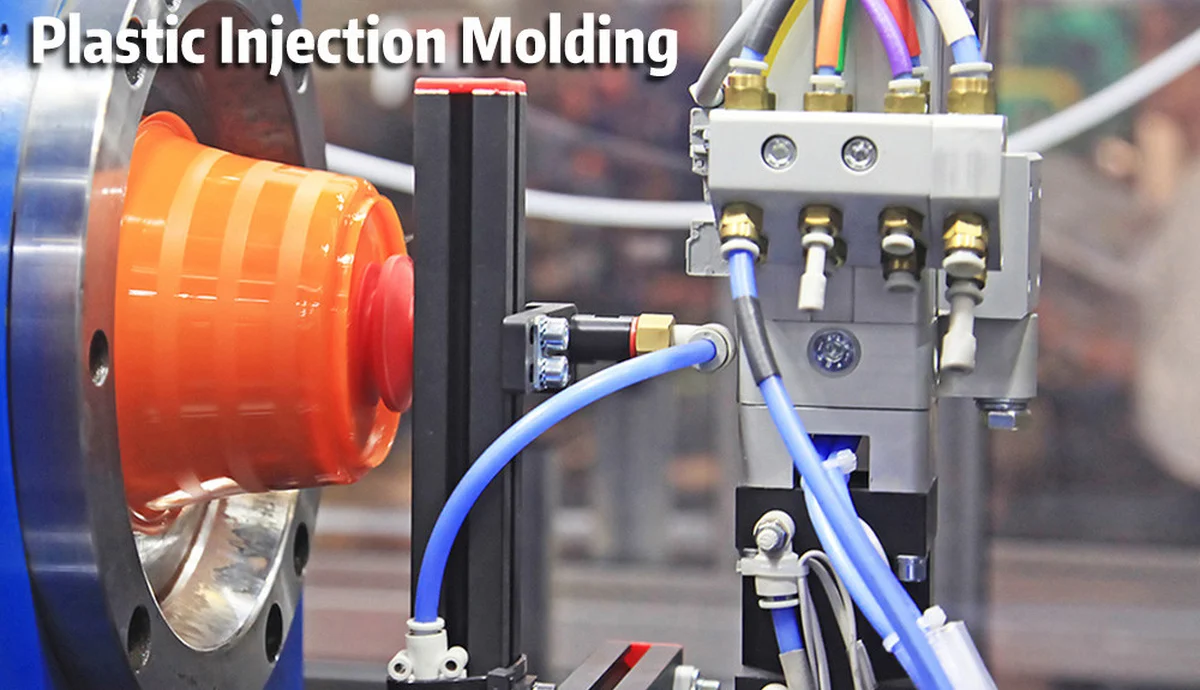
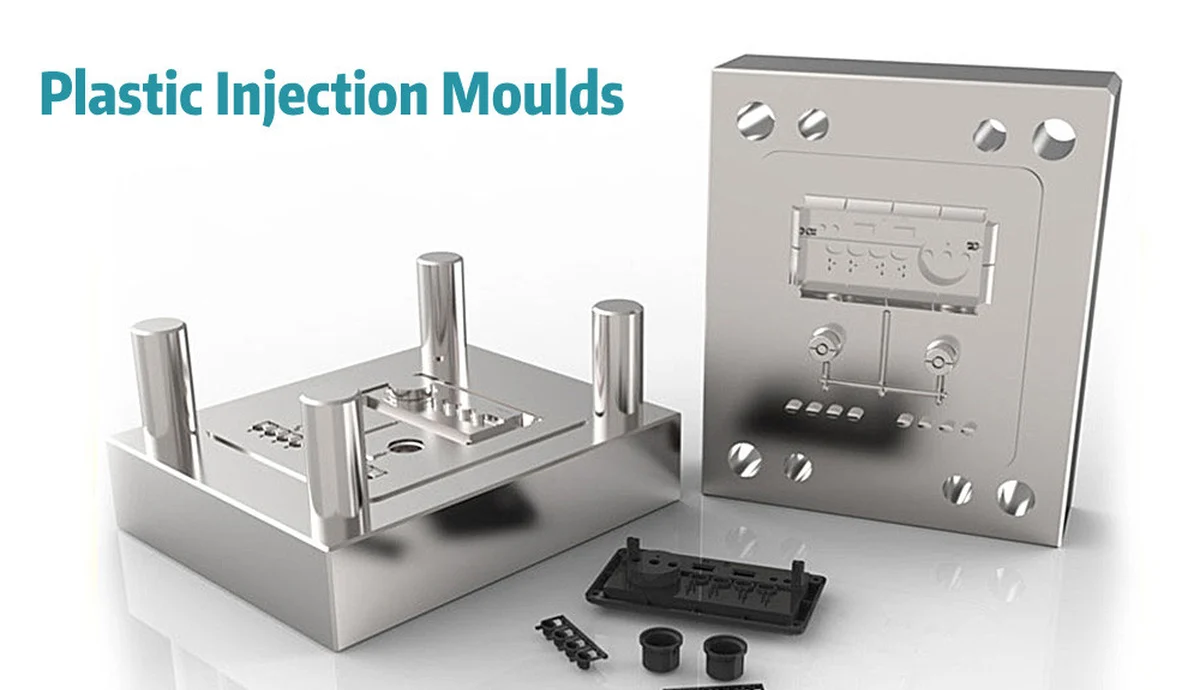
A plastic injection molding company produces finished plastic parts by running molten resin through injection presses, while a mold maker designs and builds the steel tooling that those presses use. The distinction matters commercially: some suppliers sell molds only and expect you to run them elsewhere, some molders buy tooling from third parties, and the strongest export-oriented companies integrate both under one roof. When a molder builds its own molds, engineering changes, maintenance, and repair happen without a negotiation between two separate companies, which shortens every revision cycle on your program.
Confusing the two categories is the most common sourcing mistake in this industry. A world-class mold maker may have no capacity to produce your parts at volume, and a large molder with two hundred presses may subcontract its tooling to whichever workshop is cheapest that month, losing control of your most critical asset. Our earlier guide to the Top 10 injection mold tooling manufacturers in China 2026 covers the tooling-focused suppliers; this article deliberately looks at the companies that mold the parts themselves, because buyers evaluating a production program need to audit molding capability, not just steel quality.
How is China’s plastic injection molding industry organized geographically?
China’s injection molding industry clusters in three coastal regions, and the cluster you choose shapes price, logistics, and industry fit. The Pearl River Delta around Dongguan, Shenzhen, and Zhongshan in Guangdong province holds the densest concentration of export-oriented molders, strong in consumer electronics, appliances, and automotive supply chains, with the fastest access to Shenzhen and Hong Kong ports. The Yangtze Delta around Ningbo, Suzhou, Taizhou, and Shanghai is the center for high-cavity precision work, packaging, and medical molding, supported by China’s largest injection molding machine manufacturer base in Ningbo. The Bohai Rim around Qingdao, Tianjin, and Weihai serves heavier industrial, automotive, and Northern Asia export routes, often at slightly lower labor cost than the southern clusters.
| Cluster | Core cities | Typical strengths | Best suited to |
|---|---|---|---|
| Pearl River Delta | Dongguan, Shenzhen, Zhongshan | Export OEM speed, electronics, consumer products, integrated factories | Fast-moving consumer and electronics programs, mixed tooling plus molding |
| Yangtze Delta | Ningbo, Suzhou, Taizhou, Shanghai | Precision, high-cavity tooling, packaging, medical, machine availability | High-volume packaging, medical, precision technical parts |
| Bohai Rim | Qingdao, Tianjin, Weihai | Industrial and automotive parts, lower labor cost, Northern Asia routes | Automotive components, industrial goods, Korea and Japan shipping lanes |
Which 10 types of plastic injection molding companies lead the Chinese market in 2027?
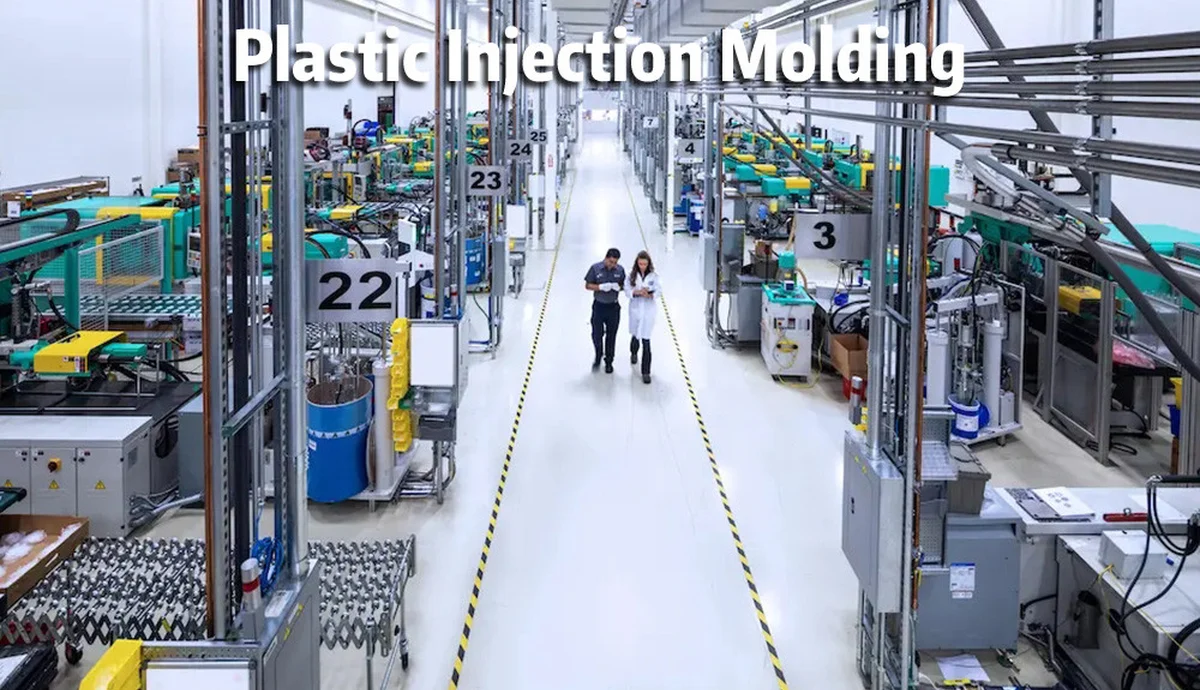
Ranking molding companies purely by revenue rewards scale but hides the match between supplier and program. The list below groups China’s leading plastic injection molding companies into the ten models that international buyers actually select from in 2027, with one named example and nine type profiles, so you can identify which category fits your project before requesting quotes.
1. DJmolding: integrated mold design and plastic injection molding under one roof
DJmolding represents the integrated model that suits most export OEM programs: mold design and manufacture in-house, custom plastic injection molding across a range of press tonnages, secondary operations, and export documentation handled by one team. An integrated partner like this matters most during engineering changes, because the engineers who built your tool also run it, so a design revision moves from request to sampled parts without an intermediary. Buyers with annual volumes from a few thousand to millions of parts, especially in automotive, appliances, electronics, and consumer goods, get the shortest feedback loop from this structure, supported by a documented quality control system and DFM review before tooling starts, as described on the custom plastic injection molding service page.
2. Full-service OEM manufacturers that carry tooling through assembly
The second model is the full-service OEM factory that takes a program from DFM and mold flow analysis through tooling, molding, decoration, and final assembly in one facility. These companies usually run 50 or more presses from 60 to 650 tons and hold IATF 16949 alongside ISO 9001, because their customers are brand owners who want a single accountable supplier. This model minimizes the number of purchase orders, quality agreements, and shipping legs in your supply chain; the trade-off is that very small pilot volumes get less attention than flagship programs, so buyers below a few thousand pieces per year are often routed to the low-volume specialists described later.
3. Automotive Tier suppliers certified to IATF 16949 with PPAP discipline
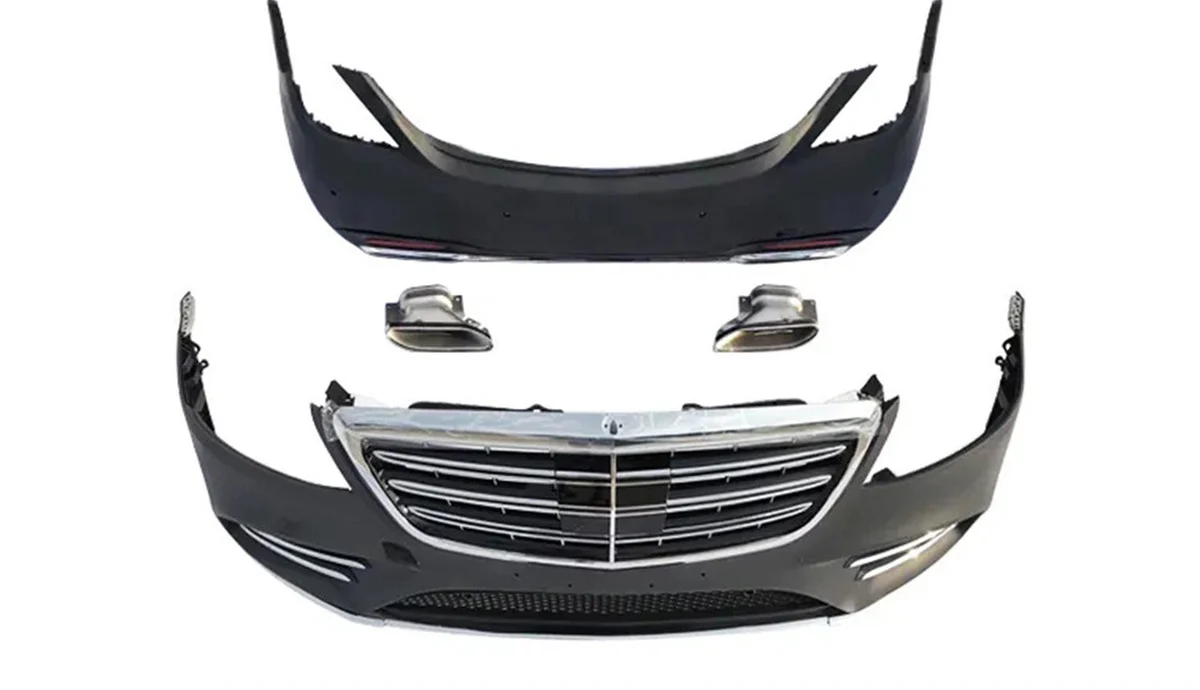
Automotive-focused molders build their entire process around PPAP submissions, dimensional control plans, and traceability from resin lot to shipped part, as required by IATF 16949. They invest in scientific molding process validation, cavity pressure sensors, and automated inspection cells, which raises their part price above a general molder but removes the failure modes that trigger recalls. If your parts appear in a vehicle interior, exterior, or under-hood application, this certification is not optional; our overview of PPAP and IATF 16949 requirements for automotive injection molding suppliers explains what a compliant submission package contains.
4. Medical and cleanroom molding specialists under ISO 13485
Medical molders operate ISO Class 7 or Class 8 cleanrooms, validate processes under ISO 13485 and often FDA-registered quality systems, and maintain device history records for every lot. Their equipment and documentation overhead means unit costs run above commercial molding, sometimes by 30 to 50 percent, but for housings, drug delivery components, diagnostic consumables, and surgical instruments this is the correct category. The distinguishing question for this type is not machine tonnage but lot traceability and cleanroom certification scope, which our article on regulatory compliance and cleanroom standards in medical plastic molding examines in detail.
5. Precision electronic and connector molders working at sub-millimeter tolerances
Precision molders serve connectors, sensor housings, optical components, and electronic enclosures where tolerances sit below one tenth of a millimeter and cosmetic standards specify flow lines and gloss by sample plate. They run electric or hybrid presses with tight process control, temperature-conditioned workshops, and in-house metrology with coordinate measuring machines and optical scanners. Consumer electronics brands concentrate their sourcing in this category, and the practical selection criterion is a demonstrated first-article inspection report rather than a list of machine brands, a topic covered in depth in our guide to achieving sub-millimeter tolerances in precision electronic plastic molding.
6. Two-shot and multi-material molding specialists
Multi-material molders combine rigid and soft polymers in one part, producing grips, seals-over-housings, and two-color buttons without secondary assembly. They run rotary-platen and core-back presses plus the tooling expertise to sequence two materials correctly, a capability that ordinary molders claim more often than they deliver. Program economics favor this type when assembly labor or adhesive bonding would otherwise dominate your part cost; the design rules that make such programs succeed are set out in our two-shot injection molding and multi-material design guide.
7. High-cavity packaging and closure molders
Packaging molders run 32 to 128 cavity tools for caps, closures, and thin-wall containers on high-speed machines with cycle times under six seconds. Their competitive edge is tooling longevity and cavity-to-cavity consistency, because a single million-cycle packaging mold represents a larger capital commitment than most industrial programs ever see. Food-contact compliance, including FDA and EU 10/2011 declarations for resins and colorants, is the entry ticket here, and buyers should demand cavity identification molded into each part so that any dimensional drift can be traced to a specific cavity.
8. Low-volume and bridge-production molders
Low-volume specialists produce hundreds to tens of thousands of parts using aluminum or soft-steel bridge tooling, standing between prototype shops and mass-production molders. Startups use them for market validation and pilot orders, and established OEMs use them to keep shipping while a production tool is built or repaired. The economics differ fundamentally from volume molding: tooling cost drops by 40 to 70 percent while piece price rises, so total program cost crosses over somewhere between ten and fifty thousand parts depending on part complexity. Our analysis of scaling product launches safely with low volume injection molding services quantifies those crossover points.
9. Liquid silicone rubber (LSR) molding specialists
LSR molders handle liquid silicone on dedicated presses with cold-runner systems, producing seals, gaskets, medical components, and automotive bellows that tolerate heat, chemicals, and sterilization that thermoplastics cannot. The process requires different tooling metallurgy, flash control, and post-cure handling than thermoplastic molding, which is why LSR capability sits in dedicated companies or dedicated divisions. Buyers combining a plastic housing with a silicone seal increasingly prefer suppliers who hold both processes, eliminating a second supplier and the assembly tolerance stack between two factories; the process specifics are described on our LSR injection molding service page.
10. Large-part appliance and industrial molders with high-tonnage presses
Appliance and industrial molders run presses from 800 to 3,000 tons and tools weighing several tons, producing washing machine panels, air conditioner housings, logistics crates, and furniture components. Their economics depend on cycle time discipline and gas-assist or structural foam techniques that keep large parts rigid without excessive wall thickness. Because each shot in this category carries high material value, process monitoring and reject handling matter more than in small-part molding, and a visit to the press floor during a production run tells you more about this type of supplier than any certificate.
How should buyers compare companies on a Top 10 plastic injection molding list?
A ranking is only useful once you translate it into criteria that match your program. Five dimensions separate credible molding companies from the rest of the market in every region of China, and each can be verified with documents rather than promises.
| Criterion | What to verify | Red flag |
|---|---|---|
| Certification scope | Valid ISO 9001 at minimum; IATF 16949 for automotive, ISO 13485 for medical, and check the certificate covers the actual factory address, not headquarters | Certificates that expired or cover a different legal entity |
| Tooling control | In-house mold design and maintenance, documented mold ownership terms in the quotation | Mold ownership left vague or tooling fully subcontracted |
| Press range and automation | Tonnage range covering your part, robots for insert handling, process monitoring on production presses | All-manual cells quoted for precision programs |
| Quality documentation | First article inspection reports, CMM capability, control plans, resin certificates of analysis | “Inspection report available on request” with no sample documents |
| Export track record | References in your industry and destination market, familiarity with Incoterms and export packaging | No export references or refusal to name reference industries |
These criteria also give you a fair comparison method: send the same 3D file, material specification, annual volume, and target date to three shortlisted companies, and require each quotation to state tooling steel, number of cavities, cycle time assumption, and part price at your volume. The structure of such an RFQ, and the engineering checklist behind it, is laid out in our engineer’s checklist for sourcing custom plastic injection molding.
What do plastic injection molding services in China actually cost?
Chinese molding quotes divide into two numbers that behave differently: one-time tooling cost and recurring piece price. Tooling for a typical consumer part in China runs roughly 30 to 60 percent below an equivalent US or European mold, and piece prices typically land 20 to 40 percent below Western quotes at comparable annual volumes, before freight and duty. Those margins have narrowed over the past five years as Chinese wages rose, but automation and cluster supply chains keep the gap real for most part categories. The arithmetic behind both numbers, including the amortization decision, is worked through in our injection molding cost guide covering tooling, part price and accurate quoting.
The more useful cost analysis for 2027 compares total landed cost rather than invoice price. A quotation that looks 30 percent cheaper can lose its advantage if it generates a 3 percent reject rate, a two-week customs delay from poor documentation, or a mold that needs foreign engineering support for every revision. Buyers who model rejects, freight, duty, quality escapes, and engineering change responsiveness alongside unit price consistently find that mid-priced suppliers with strong process control beat the cheapest quote over a three-year program, which is why the verification section below matters more than the price negotiation.
What will change among Chinese injection molding companies by 2027?
Three shifts separate the 2027 leaders from the rest of the market. First, automation has become the dividing line for quality consistency: leading molders run robotic part removal, in-mold sensing, and machine-data collection on every production cell, which removes shift-to-shift variation that plagued the industry a decade ago. Second, supply-chain diversification is reshaping export behavior, with buyers splitting programs between China and alternative countries; the strongest Chinese molders respond by offering dual tooling builds or regional service support rather than losing programs outright. Third, sustainability requirements are moving from marketing to specification, with buyers demanding recycled-content resins, regrind control, and carbon data per shipment, capabilities that require process discipline only established molders hold.
For buyers, the practical implication is to weight automation evidence and data transparency heavily in 2027 selections. A molder that can show you live process data, cavity pressure curves, and statistical process control charts for a running program is statistically less likely to ship you a quality escape than one offering the same parts at 8 percent less with manual cells, and that difference compounds across every production run you place.
How do you verify that a shortlisted Chinese molding company is real and capable?
Verification proceeds from documents to samples to floor, in that order, and each stage filters out a different category of risk. Document review confirms legal identity, certification validity, and export history, which takes days and costs nothing. Sample evaluation, where the supplier molds parts from your drawing or a similar reference part, tests process capability directly. An audit visit, in person or through a third-party inspector, confirms that what the sales team described matches the factory floor.
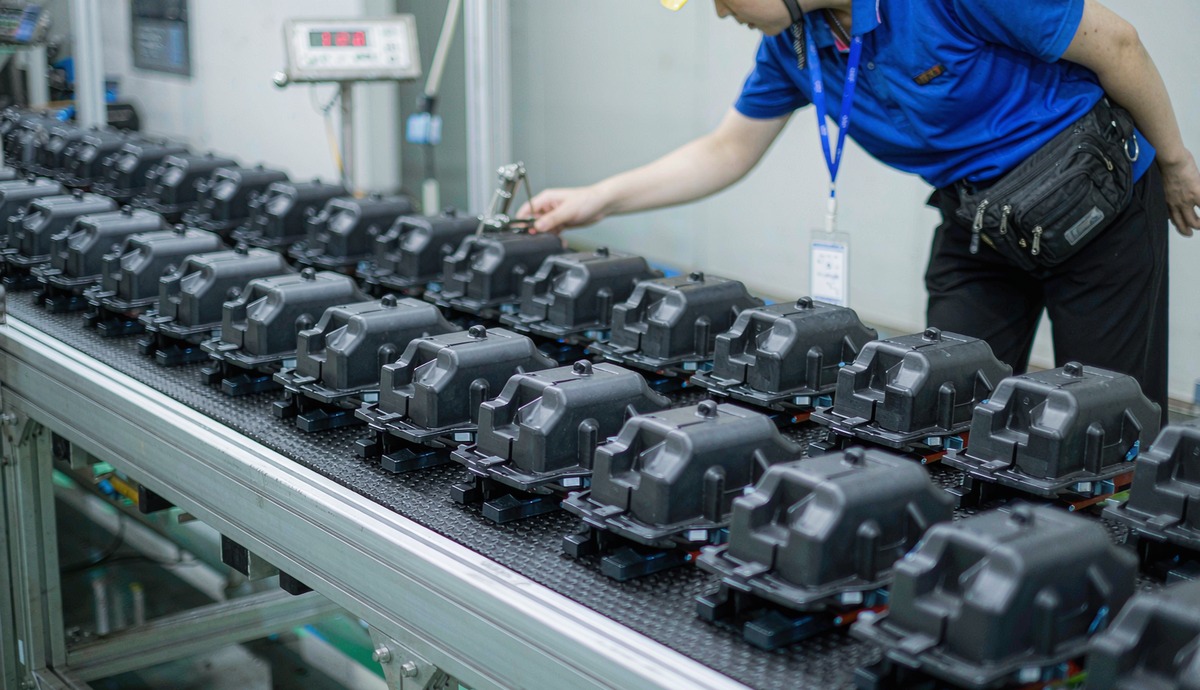
The audit itself has a repeatable structure: walk the warehouse to check resin storage and drying discipline, stand at a running press to observe parameter discipline and first-piece checks, visit the tool room to confirm the claimed in-house tooling capacity, and review the metrology room for the measuring equipment your tolerances require. Our detailed procedure for how to audit a plastic injection molding manufacturer for high-precision projects provides the question list for each station, and for buyers who cannot travel, that guide also defines which audit stages a third-party inspection agency can cover reliably.
Which questions should you ask before sending an RFQ to a Chinese molding company?
Five questions expose the differences that brochures hide. Ask who will own the mold and where it will be stored, because mold ownership determines your freedom to move production. Ask for the tooling steel specification and expected mold life, since a 718H tool quoted against your ten-million-cycle program is a hidden future cost. Ask which presses and automation will run your part, then request the process sheet, not just the press list. Ask for two reference customers in your industry and destination market, and call one. Ask how engineering changes are handled and priced, because your product will change and the change-order terms written now govern what revisions cost later.
Answers to these questions also rank the ten company types against your program automatically: an integrated factory answers tooling ownership from its own tool room, a medical molder answers with device history records, and a high-cavity packaging molder answers with cavity traceability molded into parts. A supplier that answers all five concretely belongs on your shortlist regardless of where it appeared on any ranking; one that answers generically does not, whatever its position. For the broader context of structuring an outsourced plastics supply chain, our strategic guide to outsourcing to B2B contract plastic manufacturing services covers contract and logistics questions beyond the factory gate.
Frequently asked questions about top plastic injection molding companies in China
Is this list a ranking of the best molding companies in China?
No. The ten categories describe the manufacturing models that lead China’s plastic injection molding export market in 2027, and the right choice depends on your part, volume, industry, and certification needs. A medical consumables program may find its best partner outside any consumer electronics top ten, while an automotive buyer should never shortlist a supplier without IATF 16949, whatever its size.
How do I choose between an integrated factory and separate mold and molding suppliers?
Choose an integrated mold-and-molding factory when your program expects engineering changes, mixed tooling and production responsibility, or single-point accountability; choose separate suppliers only when you already own tooling expertise in-house and want competitive tooling pricing on a stable, mature design. Most export OEM programs with evolving products benefit from the integrated model because revision cycles shrink from weeks to days.
What minimum order quantities do Chinese molding companies accept?
High-volume molders typically quote economically from tens of thousands of parts per year, while low-volume and bridge-production specialists accept hundreds to a few thousand pieces using simpler tooling. The crossover in total program cost, where volume tooling becomes cheaper than continued bridge production, usually falls between ten and fifty thousand parts depending on tool complexity, which is why both types coexist rather than compete head to head.
Can Chinese molding companies meet US and EU quality expectations?
Yes, when the supplier holds the relevant certification and you verify it. Chinese molders serving automotive, medical, and electronics export markets operate under the same IATF 16949, ISO 13485, and ISO 9001 systems demanded of suppliers anywhere, and dimensional capability at leading factories matches global standards. The variable is not nationality but process discipline, which is exactly what the verification checklist in this guide is designed to test before you place production.
Work with DJmolding on your plastic injection molding program
DJmolding combines mold design and manufacture with custom plastic injection molding production, serving automotive, appliance, electronics, medical, and consumer product customers from China to export markets worldwide. Our mould service covers hot runner and cold runner tools, our molding plant runs from low volume to high volume programs, and every project starts with a documented DFM review and a quotation written to the criteria in this guide. Learn more about DJmolding and our automotive plastic components injection molding capabilities.
Comparing plastic injection molding companies in China for your next program? Send your 3D files, material specification, annual volume, and target date through the DJmolding contact page. Our engineers will return a DFM review, a tooling quotation, and a part price structured so you can compare suppliers on equal terms. OEMs, brand owners, and sourcing teams are welcome to request a quote.
