


P20 vs H13 vs S136 vs NAK80: Injection Mold Steel Selection Guide
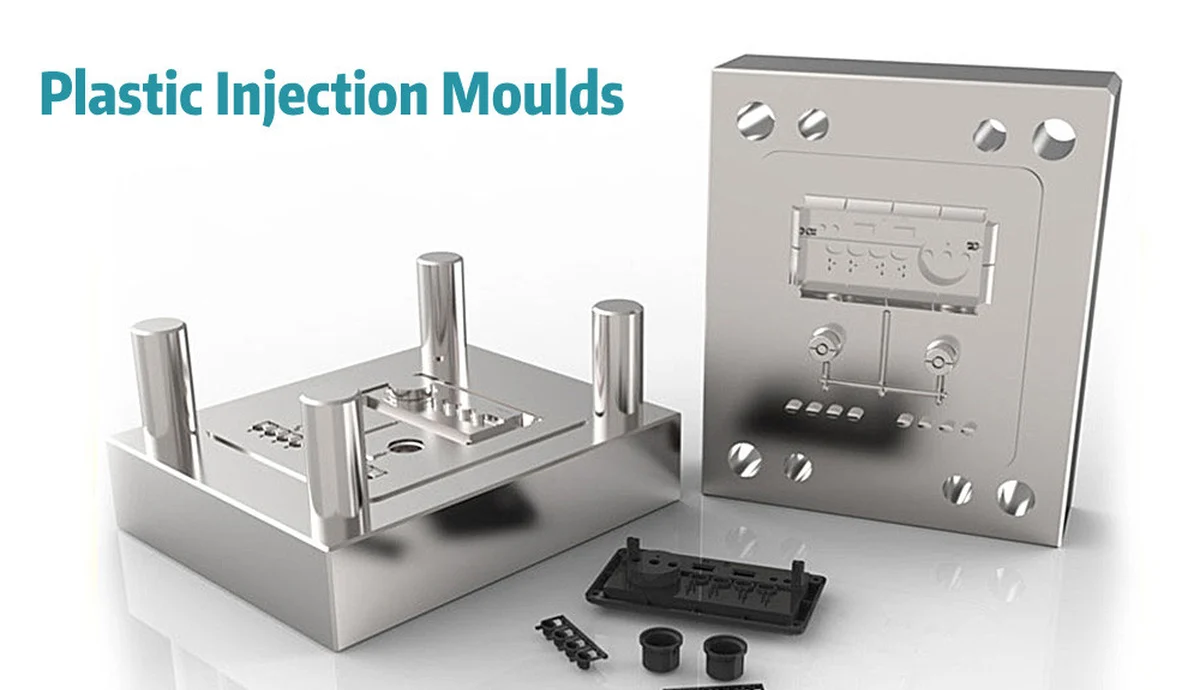
Choose P20 for general-purpose molds with manageable wear and corrosion, H13 for inserts facing higher mechanical or thermal loads, S136 for cavities where corrosion and polish both matter, and NAK80 for cosmetic inserts that benefit from prehardened stock. These are starting points. The final injection mold steel specification should name the exact grade, delivery condition, hardness and acceptance criteria for each significant mold component.
Injection mold steel selection works best when buyers start with the failure that would be most expensive to fix. An unfilled ABS housing may justify an economical machined cavity, while a clear lens may fail visual inspection after the first speck of pitting. A glass-filled connector may lose gate detail before most of the cavity shows wear. Each case calls for a different material decision even at the same annual part volume.
Estimated reading time: 13 minutes.
What is the difference between P20, H13, S136 and NAK80?
| Steel | Typical condition or route | First application to evaluate | What the quote should prove |
|---|---|---|---|
| P20 | General-purpose mold steel, commonly purchased prehardened | Unfilled resin, everyday finish and a practical build budget | Exact variant, thickness and delivered hardness |
| H13 | Hot-work tool steel, commonly machined soft then hardened and tempered | Higher thermal or mechanical loading and localized wear | Heat treatment route, final hardness and inspection plan |
| S136 | Corrosion-resistant mold steel designation encountered in tooling quotes, often offered in a hardening route | Corrosion-sensitive or highly polished resin-contact surfaces | Producer, exact grade, remelting requirement if specified, and finish approval |
| NAK80 | Prehardened precipitation-hardening mold steel, nominally 40 HRC | Cosmetic or polished inserts where avoiding a separate bulk hardening step has value | Material identity, finish process and signed sample |
The grade names belong to different naming systems. P20 and H13 are commonly used standard grade designations. NAK80 is a specific proprietary grade, and regional quotations may use S136 as a trade designation or shorthand. Ask for an actual mill designation and datasheet. A cross-reference table can help identify candidates, but it cannot guarantee identical chemistry, cleanliness, hardness distribution or polishing behavior.
Rockwell C hardness (HRC) compares indentation resistance under a defined test. It does not measure corrosion resistance, inclusion content, thermal fatigue, or the finished surface appearance. A harder tool can contribute to longer wear life in a suitable application, but a hard parting line or thin insert can still fail if the design, support, toughness or processing conditions are wrong.
When is P20 a sensible choice for an injection mold?
P20 is a useful quoting baseline for straightforward molds running unfilled polymers with ordinary finish requirements. Prehardened material allows the tool shop to work near the supplied hardness without scheduling a separate bulk hardening step after rough machining. That can simplify a build that may need design revisions. Confirm the actual steel condition and dimensions at quotation because material availability and machining time vary with block size.
For large mold blocks, ask about hardness uniformity through the section. A nominal value from a test on the outside does not describe the condition at the depth where a cavity will be machined. If a quote offers a modified P20-family grade, compare its mill datasheet, section size and guaranteed condition. A similar label gives a starting point for comparison rather than an automatic substitution.
P20 has limits where corrosion or localized abrasion dominates. In a mold with manageable cavity wear but a gate that sees a strong flow of filled resin, a removable insert may improve serviceability without changing the whole block. Where the actual molding environment can pit the cavity surface, the buyer should compare corrosion-resistant cavity materials and the maintenance program before deciding on P20.
When should a toolmaker evaluate H13?
H13 is a hot-work tool steel used where a balance of toughness and strength at elevated temperature is important. In plastics tooling, the case for H13 is stronger when a specific insert sees repeated thermal or mechanical loading, or when a hardened construction supports the expected wear conditions. A standard H13 designation does not by itself establish the properties of a premium remelted version or a finished insert.
An H13 quote should separate the supplied condition from the final working condition. A common route starts with annealed stock and includes material removal before heat treatment, then finishing and inspection. Ask the supplier to define its final hardness range, allowances for finishing and the critical dimensions that will be checked once the part reaches its working condition. Tool geometry and toughness requirements should influence that hardness target.
H13 may be a strong candidate for a wear-prone gate insert or a loaded shutoff, but stainless steel may be more appropriate for a cavity face that has to hold an optical finish in a corrosive environment. A higher cycle forecast should prompt a tool life analysis. It does not identify which steel will best address the failure mechanism in a particular location.
When does S136 make sense for a polished or corrosion-sensitive cavity?
An S136-type corrosion-resistant steel is worth evaluating when pitting, staining or loss of polish would make molded parts unacceptable. The benefit is clearest in the surfaces that form visible or transparent features or face an aggressive process environment. Ask the toolmaker to identify the actual source of corrosion, which may include resin chemistry, condensate, cooling water or storage conditions.
Specify the offered mill grade and condition directly. S136, 1.2083 and other stainless mold steel labels can appear beside one another in quotes, but an approximate cross-reference does not guarantee the same melting route, cleanliness or polishing response. If electroslag remelting (ESR) is required for a highly demanding finish, make the requirement explicit and request traceability. Agree on a molded appearance sample because a remelting route alone does not certify the finished surface.
Corrosion resistance can reduce the likelihood of pitting under suitable conditions, but it cannot compensate for unmanaged water chemistry, trapped condensate or improper storage. For a stainless insert in a mixed tool, identify which parts carry coolant and which faces stay exposed. A stainless cavity does not protect separate retainers, fasteners or passages that use another material.
When is NAK80 the better prehardened option?
NAK80 is a precipitation-hardening mold steel normally supplied around 40 HRC. Its value is the combination of prehardened supply and good polishability for cosmetic work. A buyer considering it for a glossy cover should ask for the finish target, preparation method, and final appearance sample. The supplied hardness describes the stock and does not establish how a particular polished part will look.
NAK80 often competes with P20 when completing a higher-quality visible finish in prehardened material matters. It competes with a hardenable stainless grade when both are being considered for appearance but the corrosion and repair demands differ. Where pitting is the governing risk, evaluate the stainless candidate on that criterion first. Where revision timing dominates, compare the effect of each machining and finishing route on the build plan.
A ready-to-machine stock condition removes one separate processing step, but deep metal removal, electrical discharge machining (EDM), polishing and welding still need controls. Ask how the toolmaker will prepare the surface and manage a local repair if the appearance face changes. Match any repair plan to the mill’s recommendations and reapprove the molded finish where necessary.
How do resin, finish and geometry change the steel specification?
Give the moldmaker the exact resin grade and filler level, including glass fiber, mineral filler, pigments and flame-retardant additives where applicable. “Nylon” leaves out information that can change wear near the gate, while a specified glass-filled compound gives engineering a better basis for evaluating the contact surfaces. Use the injection molding resin selection guide to clarify the polymer requirements before fixing the steel.
Mark the drawing with finish zones. A clear viewing area, a textured hand-contact surface and a hidden rib can carry different finish expectations. Ask for the reference texture or polish, the lighting and viewing conditions for acceptance, and the locations where marks are permitted. Surface roughness and gloss can help compare samples where specified, while a visual master captures effects that one numerical value may miss.
Use geometry to identify where damage is likely to begin. A slender core, an angled shutoff and a broad flat cavity have different support and loading conditions. Fit, guidance and replaceability can matter as much as the steel selection. Review the injection molding design for manufacturability guide before locking the tool material schedule.
Can an injection mold use more than one steel?
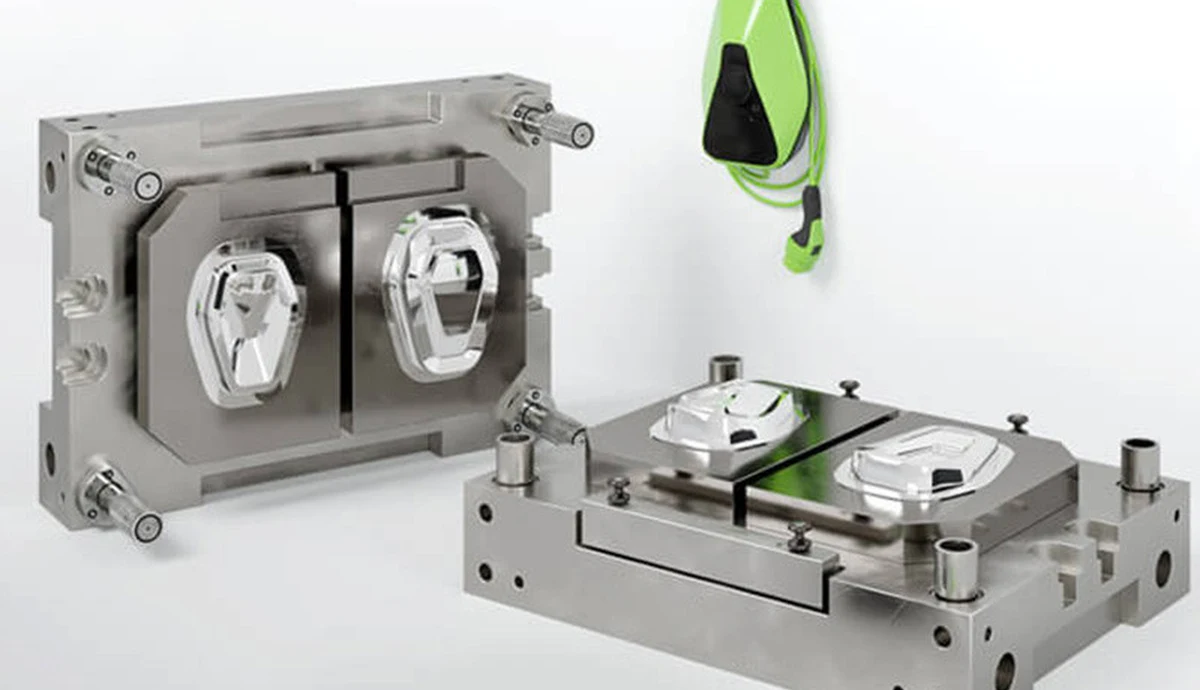
Yes. A mixed-steel mold assigns material by component. The mold base carries and locates the assembly, cavity and core inserts form the part, and removable gate or wear inserts can absorb damage in concentrated areas. A base, cavity, core and shutoff do not need the same hardness or corrosion properties if the assembled design satisfies alignment, loading and maintenance requirements.
A practical example is a cosmetic enclosure with an unfilled resin and a confined wear point. The quote might include an economical base, a polishable cavity insert and a serviceable gate insert, chosen according to the actual load and finish. Compare that approach with upgrading the whole cavity block. The mixed design can localize repair, while the one-piece design may simplify initial machining and eliminate an insert witness line.
Mixed materials also introduce interfaces. Ask the moldmaker to review fit, thermal expansion, cooling paths, corrosion at exposed points and access for service. A removable insert needs a workable replacement plan, including how its position and appearance will be restored. Record which interfaces can leave a visible line and check those areas with the production resin at trial.
How do you estimate tool life without relying on a generic shot count?
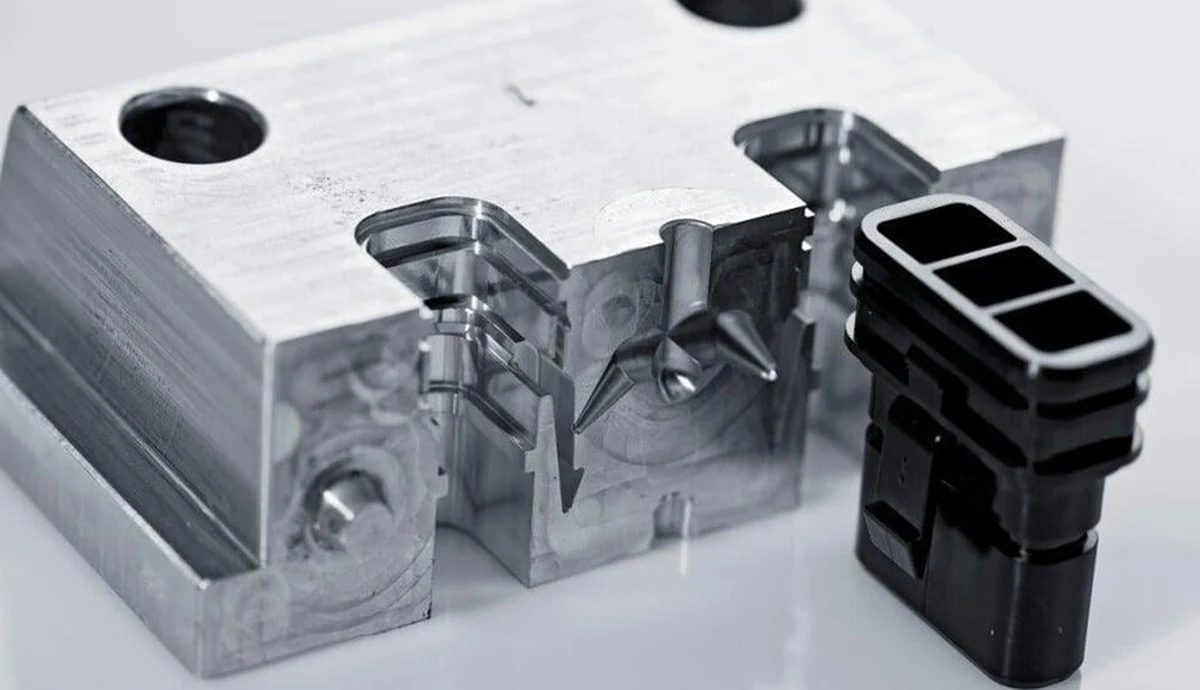
Start with the total accepted parts required, then estimate the molding cycles implied by the effective number of cavities, trial cycles and expected yield. One four-cavity cycle can make four pieces when all cavities are active, so shot count and part count represent different quantities. If one cavity is routinely isolated, the actual cycle demand can rise considerably. Document the assumptions and update them when cavity count or demand changes.
Define useful tool life with measurable acceptance limits. One project may continue production after routine polishing, while an optical part may need a stop as soon as surface defects exceed the visual standard. A steel grade cannot guarantee a generic cycle count because resin, geometry, tool construction, process conditions and maintenance all influence the amount of acceptable output. Ask each supplier to state what its estimate includes and excludes.
Compare the maintenance plan across options. A changeable gate insert with a quoted spare and a controlled replacement process may be less expensive than a cavity repair that interrupts all production. Conversely, a tool that needs frequent cosmetic restoration can cost more over its life even if basic dimensions remain acceptable. Include downtime, repolishing, requalification and spare parts alongside the initial manufacturing charge.
Consider a hypothetical demand of 200,000 accepted parts and four working cavities. Perfect yield would imply 50,000 cycles. At 95% overall part yield, the same demand implies about 52,632 production cycles before trials and other reserved capacity. The calculation is useful for checking quotation assumptions, but it does not establish a grade threshold. An abrasive compound and a narrow gate may still warrant a replaceable hardened insert at this volume.
What does steel selection change in the mold build schedule?
Compare complete build routes. A prehardened route can avoid a separate bulk hardening operation, while a hardening route typically leaves allowance for final finishing after heat treatment. Both routes still require material availability, machining, EDM where applicable, finishing and dimensional inspection. A quote that lists only machining time can understate the calendar impact of outsourced treatment, polishing or corrective work.
Ask which dimensions will be checked after heat treatment and before final fitting. Distortion risk matters more on thin or asymmetric geometry and where there is limited stock to correct movement. The moldmaker should identify the final inspection steps and their relationship to the drawing datums. Prehardened stock can simplify this comparison, while machining and local processing can still affect stability.
A polished mold insert requires a defined preparation sequence and a way to protect the completed face. Ask who owns the final polish, how the insert will be inspected before assembly, and how appearance will be judged in molded parts. If a late design revision affects the cavity face, obtain a new time and cost estimate for machining, restoration and trial before approving the change.
Which records should buyers require before steel is cut?
| Release item | What the supplier should record | Why it matters |
|---|---|---|
| Component schedule | Grade, producer or standard, condition and hardness for each controlled item | Connects the material to its purpose in the tool |
| Material traceability | Mill certificate and heat or lot reference that can be matched to stock and inserts | Supports identity verification and replacement sourcing |
| Heat treatment and hardness | Required working condition, test method, accessible test locations and report scope | Verifies the finished condition of selected components |
| Finish and trial | Appearance zones, reference sample, molded resin and inspection criteria | Tests the requirement that the end customer sees |
| Substitution and service | Approval rules, replaceable parts, maintenance and repair records | Controls changes over the tool’s service life |
Match the certificate to the physical stock before machining. A certificate for a heat of steel is useful only if the supplier can show that the allocated piece belongs to it. For a complex mold, agree which components need the link preserved after cutting and machining. This requirement also helps procurement assess an alternate source for a replacement insert years after the initial tool build.
Define the procedure for an alternate grade in the purchase order. The supplier should provide the proposed mill designation, delivery condition, relevant material data and reason for the change. Engineering should review effects on hardness, wear, corrosion, finish, repair and calendar before authorizing the substitution. A commercial description such as “equivalent steel” is too broad to control a cosmetic or critical insert.
What should the trial verify after the steel has been selected?
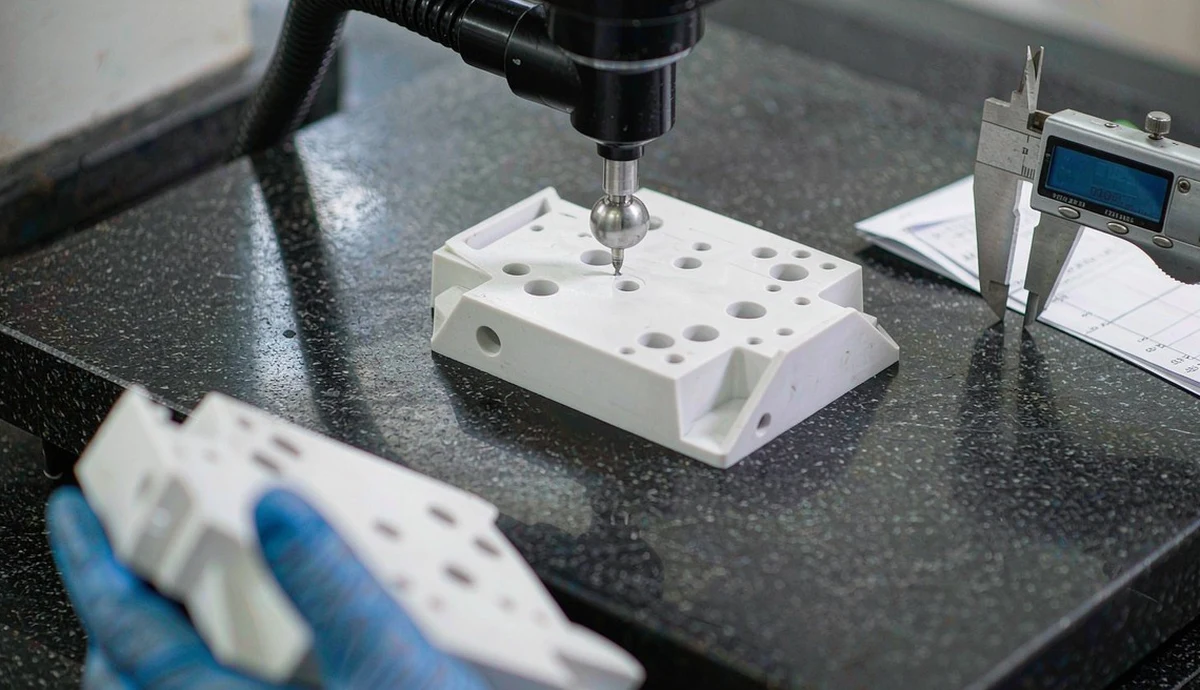
A mold trial should use the agreed resin and document the cavity, sample conditions and inspection results. Verify appearance on the specified faces and dimensions at the defined datums. A steel certificate confirms material identity, while trial data checks what the actual mold makes. Preserve both records with the approved sample so later repairs can be judged against the original acceptance standard.
Compare samples from all relevant cavities. A polished reference from one cavity does not show whether other cavities deliver the same gloss, gate appearance or dimensional performance. Check the cavity identification and record any agreed deviations. A clear record lets a production team distinguish gradual wear in one insert from a finish issue present from the first trial.
Ask for a service package with controlled insert drawings, replacement details, mill records where agreed, and maintenance points. Mold ownership and mold transfer terms should state which records and spares travel with the tool. DJmolding’s injection mold buying guide covers these commercial decisions in more depth.
How would the choice change across three quotes?
For a matte polypropylene enclosure with an uncertain design release, compare a prehardened P20 cavity with alternatives at the same cosmetic acceptance level. Ask how much finish rework is included if a rib or boss changes. A readily machinable cavity can be economical here because revision cost and delivery time are material risks, while a mirror finish is outside the brief.
For a transparent cover, compare a polished NAK80 cavity with a corrosion-resistant S136 option at the same visual standard. If the environment and resin make pitting the main risk, request documented corrosion resistance and an agreed finish sample. If corrosion exposure is low, compare the build calendar and surface approval process for both candidates. Transparency also depends on resin, gate design and processing, so molded samples belong in the decision.
For an abrasive engineering compound, identify the surfaces that face high wear before upgrading the full tool. A hardened H13 insert may merit evaluation at a gate or another highly loaded location, while the bulk sections can be specified for their own loads and finish. Ask for the cost and downtime of a planned replacement and document the fit and inspection criteria for the spare.
Frequently asked questions
Can P20 and NAK80 be substituted for each other?
They can compete for some prehardened tooling work, but interchangeability depends on the finish, hardness, block size and service conditions. Ask for a documented comparison and a new finish approval when the substitute changes the expected appearance.
Does a stainless mold steel automatically make a molded part compliant?
Product compliance depends on the part, resin, manufacturing process and applicable requirements. Stainless tooling may support a corrosion or hygiene objective, while the relevant documents and validation determine whether the finished product meets its requirements.
Should a buyer require the same steel for the core and cavity?
A shared material can simplify a build when both halves face comparable conditions. Different materials can make sense when one face carries a critical finish, a slender core needs a different balance of properties, or a gate insert should be replaceable. Approve the assembled design and its interfaces together.
Which steel is cheapest over the life of the mold?
The lowest lifecycle cost depends on the tool build, expected accepted output, maintenance intervals, downtime and repair strategy. Request the same scope from each supplier and compare alternatives on the same resin, finish and demand assumptions. DJmolding’s tooling and part cost guide explains how to structure the price comparison.
Request an injection mold steel review from DJmolding
DJmolding provides custom mold tooling and injection molding services for OEMs, engineering teams and sourcing partners. Send your CAD files, resin grade and filler level, projected part quantities, finish zones and inspection requirements. Ask for an itemized comparison that identifies the proposed steel for the cavity, core and wear inserts, along with the build route and trial acceptance. Contact DJmolding to request a tooling review and quotation.
